 Nederland
 België
 France
 Deutschland
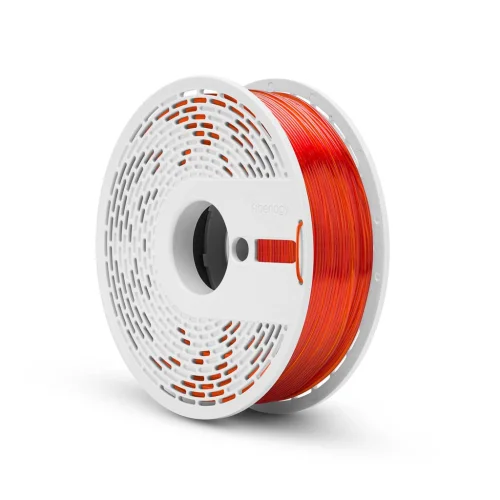
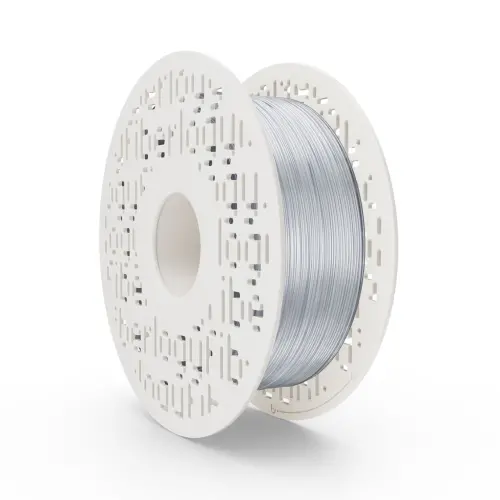
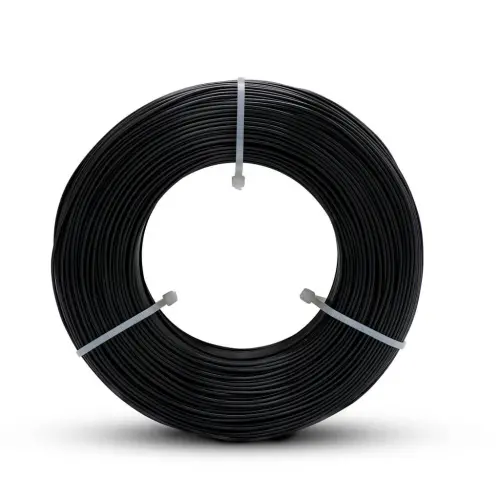
What are ABS and ASA filament?
ABS (acrylonitrile butadiene styrene) is an engineering plastic you know from LEGO bricks and appliance housings, among other things. It is hard, impact-resistant and keeps its shape at higher temperatures. ASA (acrylonitrile styrene acrylate) is a close relative, but contains an acrylate rubber instead of butadiene. That makes ASA resistant to UV light and weather: it discolours and becomes brittle outdoors far less quickly.
Which type should you choose?
| Type | Suitable for |
|---|---|
| ASA | Anything that stays outdoors: resistant to UV, moisture and temperatures up to around 94 °C. |
| ABS | Strong, heat-resistant parts for indoor use, such as enclosures and technical parts. |
| PC/ABS | Extra impact- and heat-resistant parts: the toughness of polycarbonate with the ease of printing of ABS. |
| ABS / ASA + GF / AF | Very stiff, dimensionally stable parts with glass fibre (GF) or aramid fibre (AF). |
Printing ABS and ASA: the right settings
- Nozzle: ABS 250–265 °C, ASA 255–270 °C, PC/ABS 230–250 °C, ABS+GF 270–285 °C.
- Print bed: 90–110 °C for ABS and ASA, 80–100 °C for PC/ABS and ABS+GF.
- Enclosure: strongly recommended for ABS. An enclosed printer keeps the temperature steady and prevents warping and cracking. ASA shrinks less and can do without, although an enclosure helps with large prints.
- Cooling: little or none; too much cooling makes layers separate.
- Ventilation: ABS and ASA give off a plastic smell while printing. Print in a well-ventilated room, preferably with an enclosed printer with a filter.
- Reinforced types: glass and aramid fibre wear a brass nozzle; use a hardened nozzle.
The exact temperatures are listed with each product. Struggling with warping or separating layers? Our article on solving 3D printing problems has the solutions.
The pros and cons of ABS and ASA at a glance
Pros
- Strong, hard and impact-resistant
- Keeps its shape at higher temperatures than PLA and PETG
- ASA is UV- and weather-resistant
- Easy to post-process: sanding, gluing and painting
Cons
- Needs a heated bed of 80–110 °C
- ABS shrinks and can warp without an enclosure
- Gives off a smell while printing, so ventilate well
- Not intended for contact with food
Uses of ABS and ASA
- Outdoors (ASA): parts for cars, bikes, boats, gardens and facades.
- Enclosures: for electronics and devices that get warm.
- Engineering: brackets, clamps, gears and spare parts.
- Car interiors: holders and parts that have to stay in the sun.
Torn between these materials and PETG? On the PETG & PCTG page you will find an easier-to-print alternative for functional parts.