 Nederland
 België
 France
 Deutschland

What do you need for 3D printer maintenance?
| Task | Product |
|---|---|
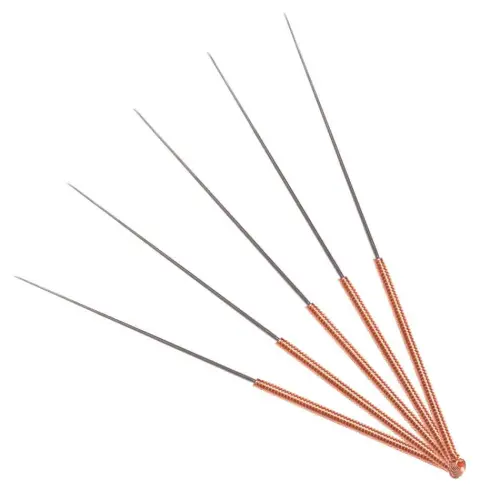
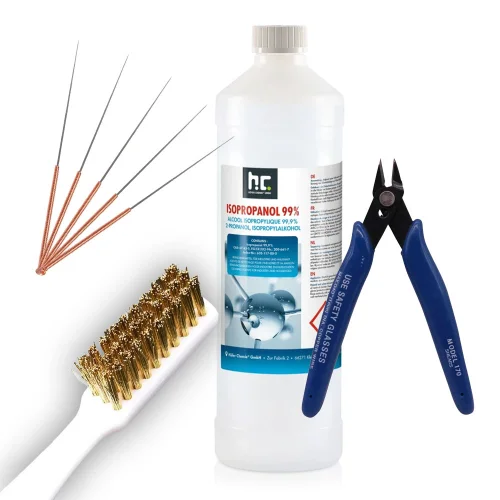
| Clearing a clogged nozzle | Stainless steel needle: 0.3 mm thick, for nozzles from 0.3 mm, 5 pieces |
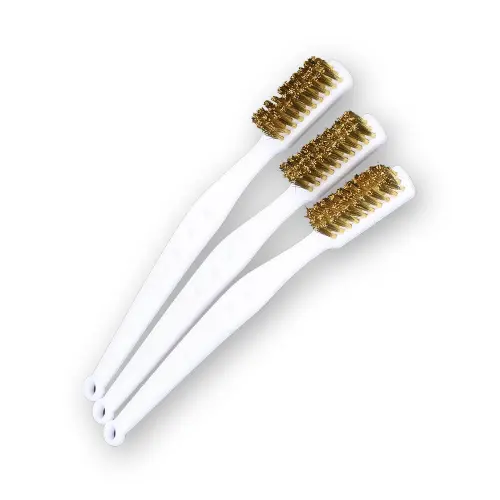
| Cleaning the outside of the nozzle | Copper brush |
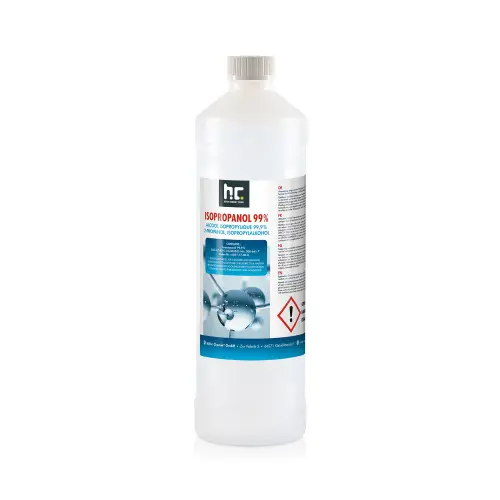
| Degreasing the print bed | Isopropanol 1 litre, purity over 99% |
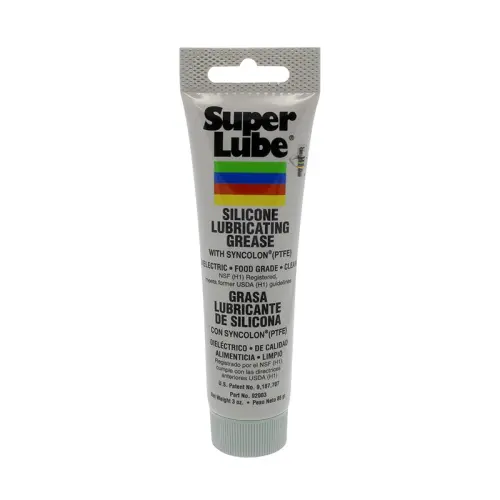
| Lubricating moving parts | Super Lube 92003 silicone grease with PTFE (85 g) |
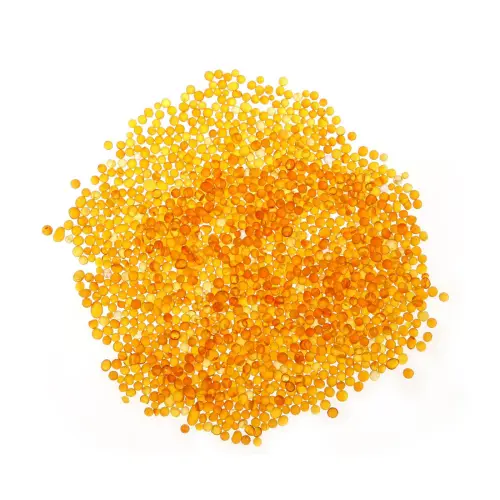
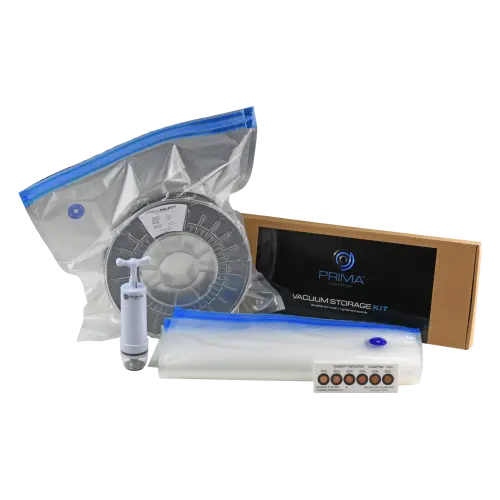
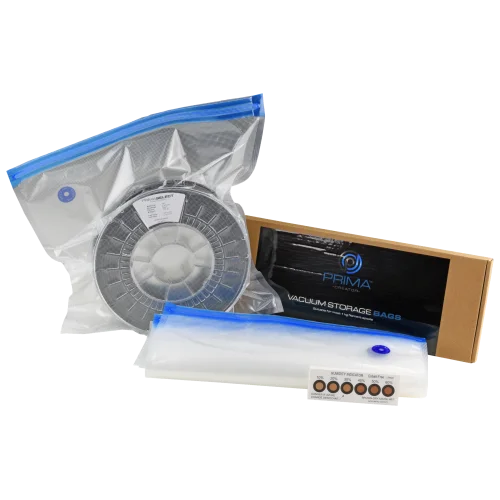
| Keeping filament dry | Silica gel beads (1 kg) and the PrimaCreator Air Tight Filament Storage Set |
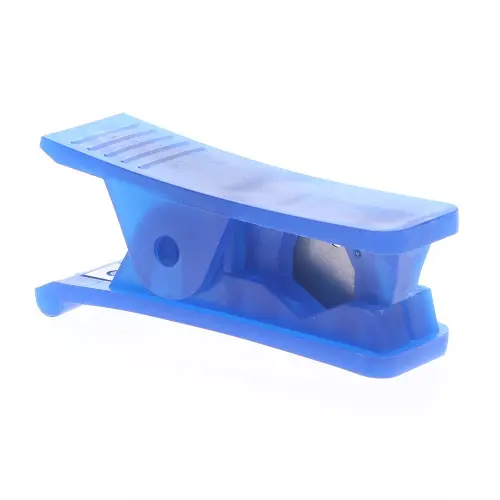
| Cutting PTFE tubing to length | PTFE Bowden Tube Cutter, for tubing up to 6 mm outer diameter |
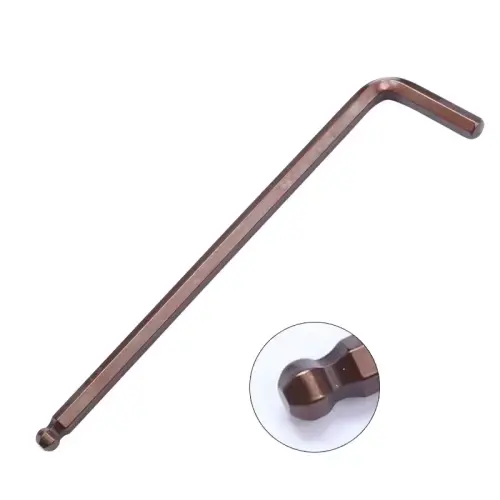
| Small bolts on hotend and extruder | Hex key 1.5 mm in hardened steel |
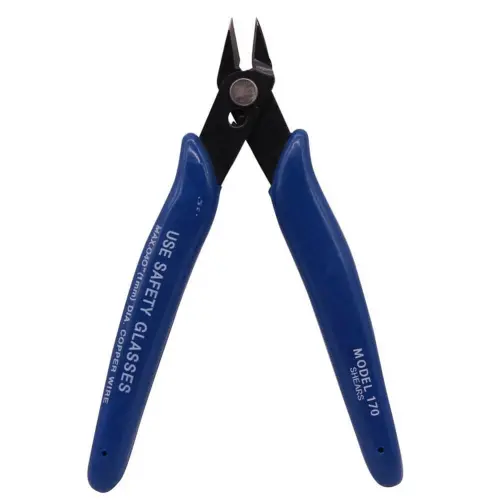
| Cutting filament | Side-cutting pliers model 170 |
How to clean a nozzle
- Heat up: heat the hotend to the printing temperature of the filament that is loaded.
- Outside: brush baked-on filament off the nozzle with the copper brush.
- Opening: carefully insert the stainless steel needle into the opening from below and move it up and down a few times. Do not leave it in too long: the needle gets hot.
- Push through: then push some filament through, so the loosened residue comes out.
- Higher up in the hotend: with a slightly heated 1.5 mm hex key you can pull stuck or broken filament out of the heatbreak or nozzle.
If the nozzle stays clogged or the opening is worn, replacing it is quicker. You will find new nozzles among our components.
Cleaning the print bed
Isopropanol dissolves grease and fingerprints and evaporates quickly. Put a little on a lint-free cloth and wipe the cooled bed. Do not touch the bed with your fingers afterwards. If your print still does not stick well, take a look at adhesion.
Keeping filament dry
Filament absorbs moisture from the air, especially nylon, PVA, PETG and TPU. Damp filament prints worse and can even cause clogs. So store spools you are not using sealed with silica gel beads. The orange beads contain an indicator and turn green-blue when saturated. The Air Tight Filament Storage Set contains a hand pump, reusable vacuum bags that fit most 1 kg spools, humidity indicators and silica gel sachets.
Lubricating and cutting
Super Lube 92003 is a silicone grease with PTFE for bearings, rods, gears and other moving parts of your printer. Always cut PTFE tubing with the tube cutter and never with scissors: scissors squeeze the end oval, and a skewed cut on the hotend side lets filament leak and can cause clogs.
Still something going wrong? Solving 3D printing problems covers the most common problems and how to fix them. All tools for your printer are in our 3D printer accessories.