 Nederland
 België
 France
 Deutschland

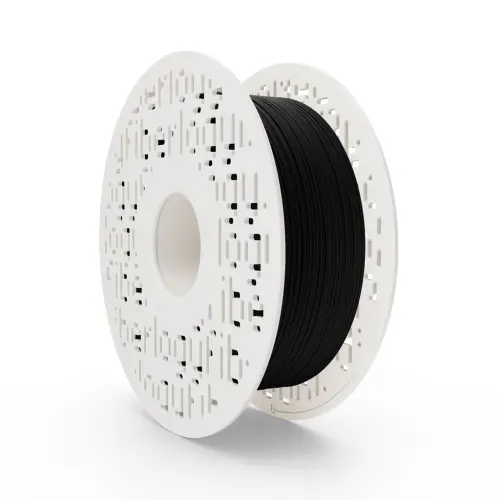
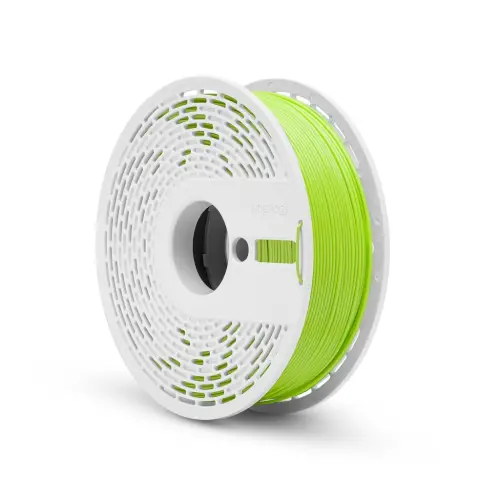
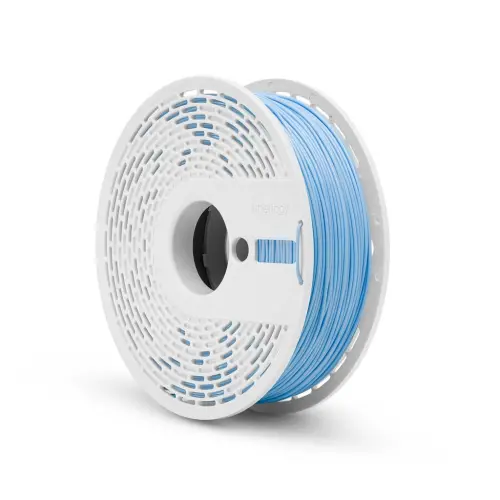
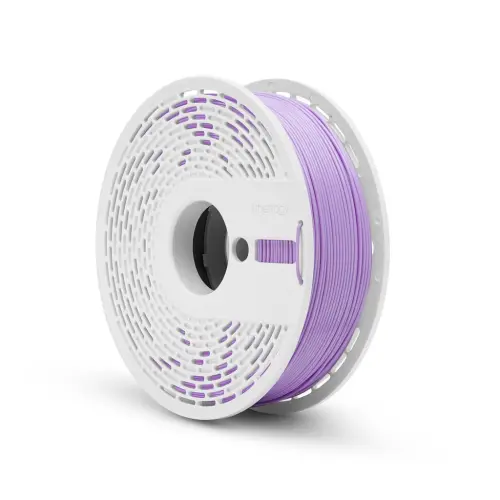
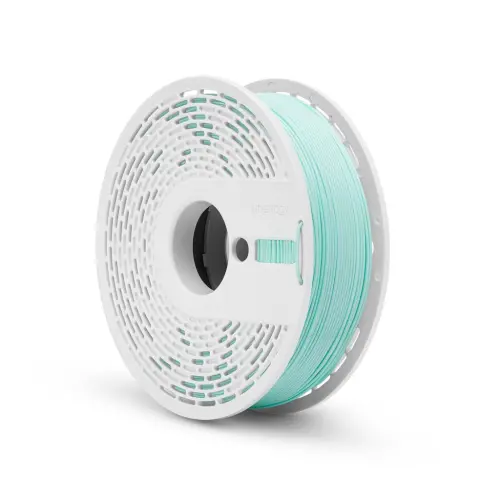
What is PETG Matte?
Matte PETG is PETG with an additive that gives it a matte surface. Where regular PETG is glossy, a print in PETG Matte looks calm and even. Layer lines, small imperfections and seams show much less, without sanding or varnishing. Under that matte surface is PETG: strong, tough and resistant to moisture, acids, salts and alkalis. It shrinks little and is not prone to warping. You can read more about the material family under PETG & PCTG filament.
PETG Matte, regular PETG or PLA Matte?
| Filament | Finish | Choose it for |
|---|---|---|
| PETG Matte | Matte, layer lines barely visible | Parts that need to be strong and look good |
| PETG | Glossy, also transparent | Functional printing, translucent prints and the widest choice of colours |
| PLA Matte | Matte | Models and decoration that stay indoors and carry no load; prints more easily and cooler |
According to Fiberlogy, PETG Matte is much stronger than matte PLA. It is also more heat-resistant and suitable for outdoor use.
Printing PETG Matte: the settings
- Nozzle: 250–270 °C, so hotter than regular PETG. If you print fast, for example on a Bambu Lab printer, Fiberlogy recommends 260–280 °C for the best layer bonding.
- Print bed: 90 °C.
- Slicer: Fiberlogy recommends using more perimeters and a higher infill for the best strength.
- Adhesion: on a smooth PEI sheet, use glue stick as a release layer.
- Cooling: moderate, around 30–50%, as with other PETG.
Ready-made profiles for the Bambu Lab X1C, P1S, P1P, A1 and A1 mini can be downloaded in our article Fiberlogy Matte PETG. Print not going well? Take a look at solving 3D printing problems.
Colours and spools
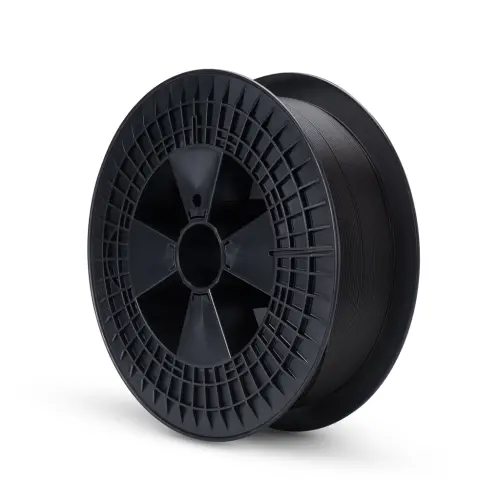
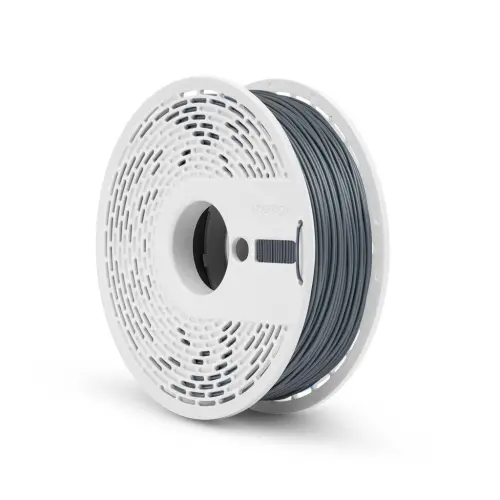
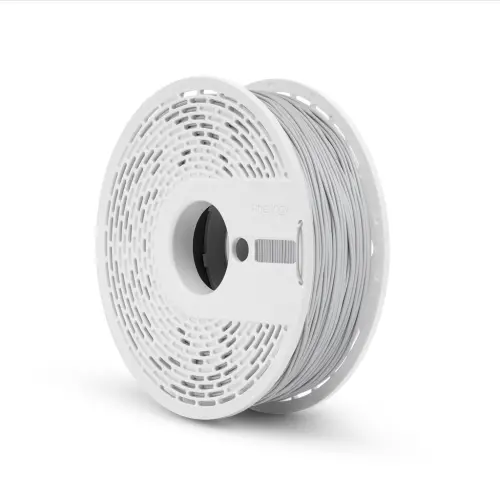
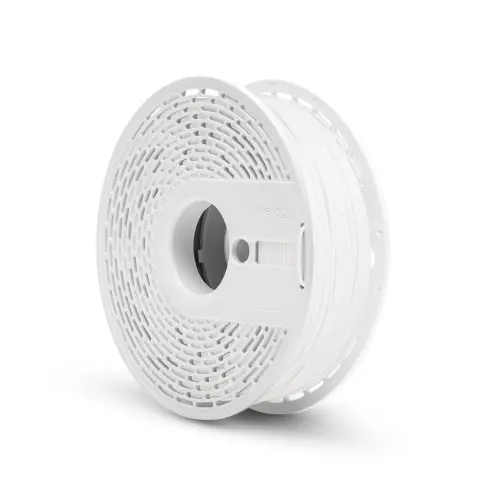
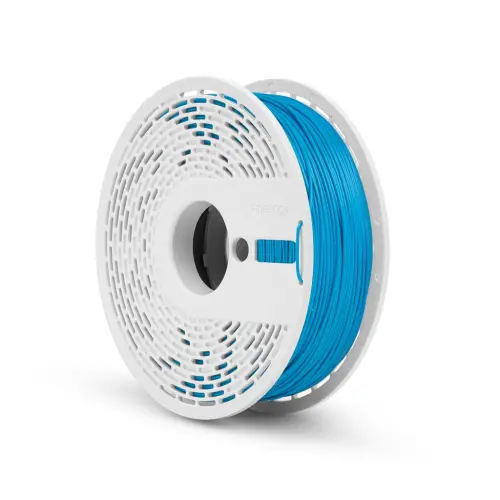
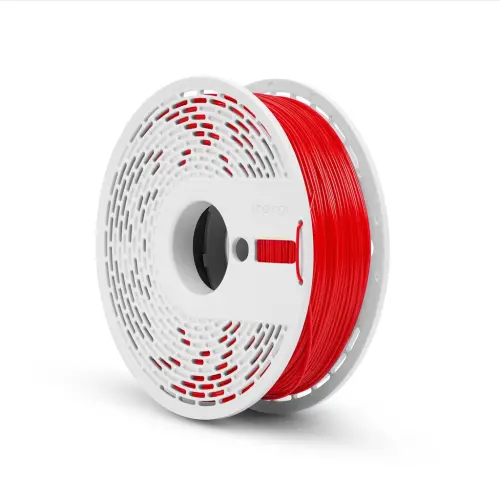
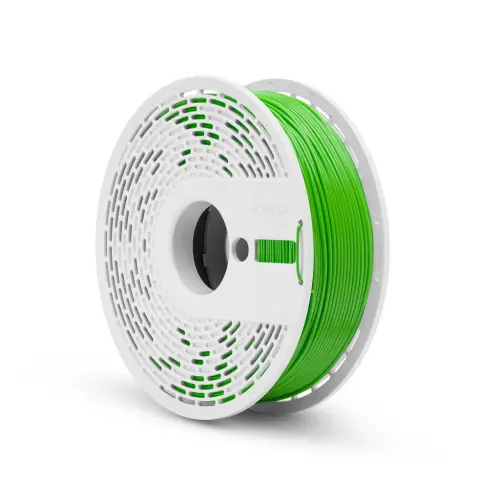
PETG Matte comes in solid colours such as black, white, grey, graphite, red, blue and green, and in soft pastel shades: blue, lilac, mint, pink and yellow. All colours are 1.75 mm on 0.85 kg spools, with a diameter tolerance of ± 0.02 mm. Black also comes on a 2.5 kg spool, handy if you print a lot in the same colour.
Pros and cons of PETG Matte
Pros
- Layer lines barely show, prints look finished straight away
- The strength and toughness of PETG
- Resistant to moisture, acids, salts and alkalis
- Little shrinkage and warping
Cons
- Prints hotter than regular PETG: 250–270 °C
- Not transparent
- For maximum strength you need more perimeters and infill
Uses
- Enclosures: for electronics, cameras and gadgets, with a clean look.
- Practical: holders, stands, desk organisers and phone holders.
- Prototypes: parts that need to look like a finished product.
- Decoration and cosplay: vases, figures and costume parts that can take a knock.