 Nederland
 België
 France
 Deutschland

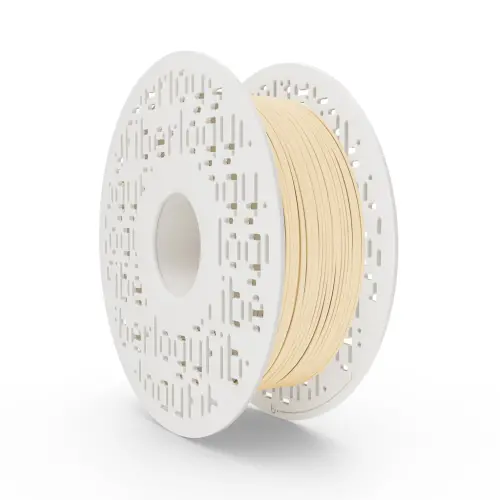
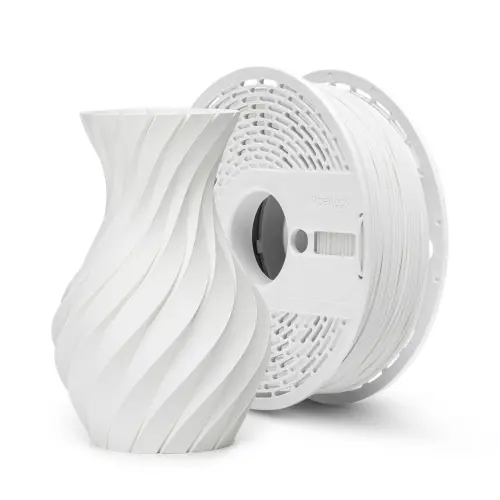
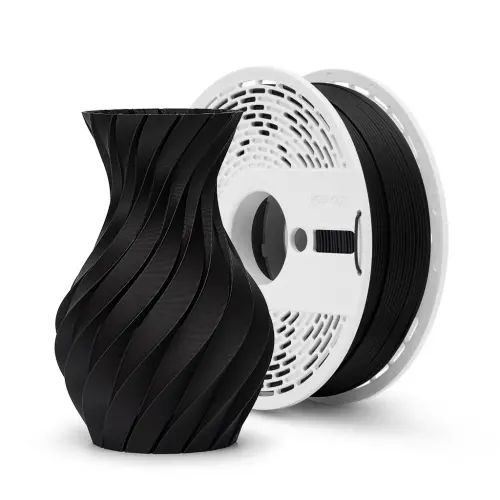
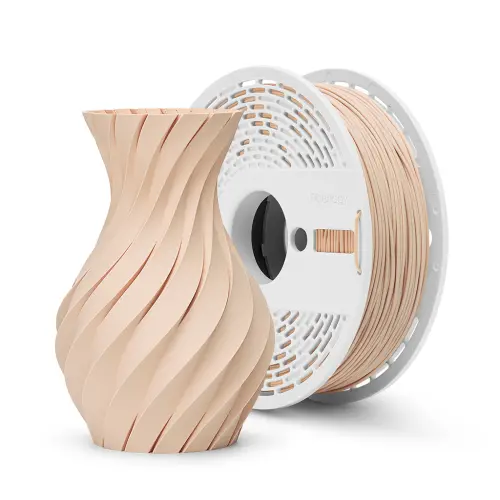
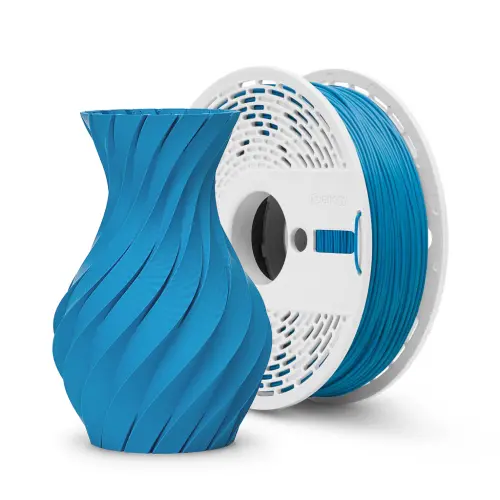
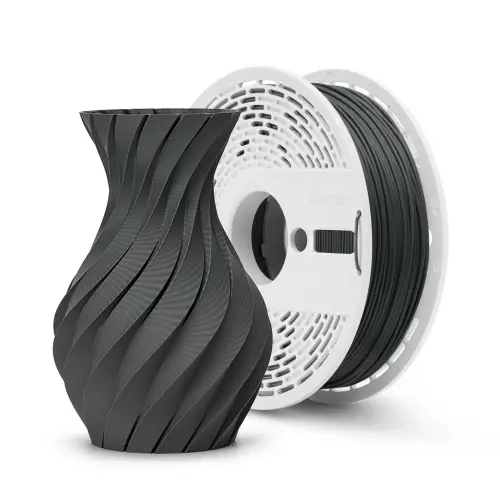
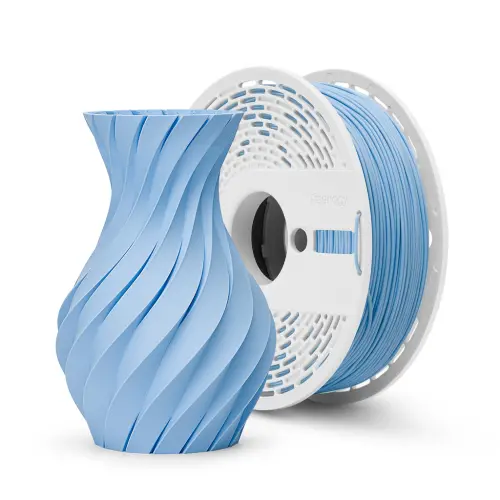
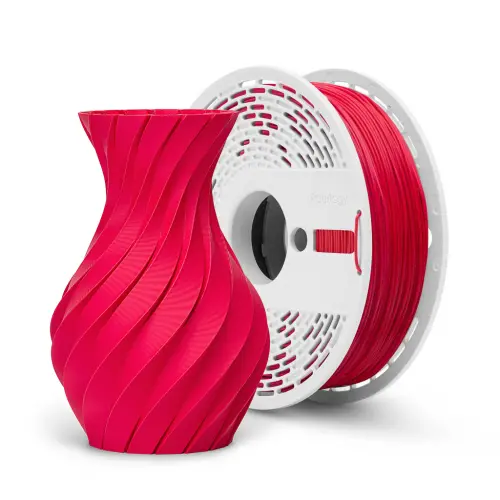
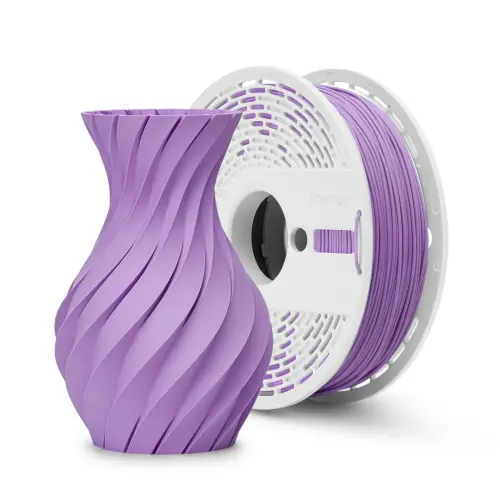
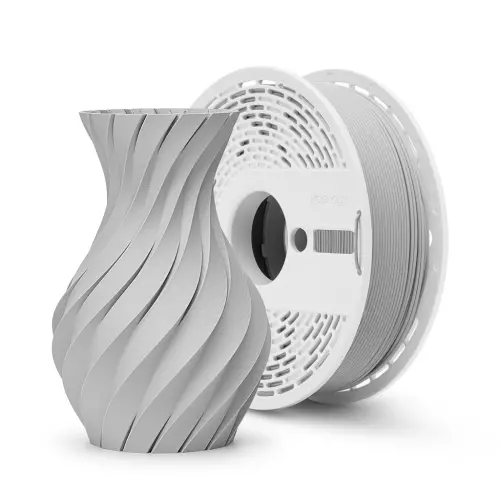
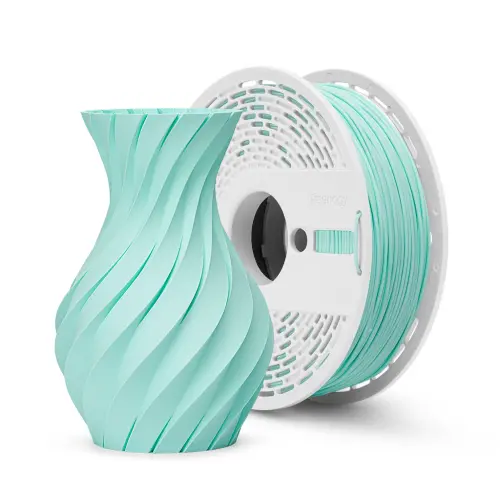
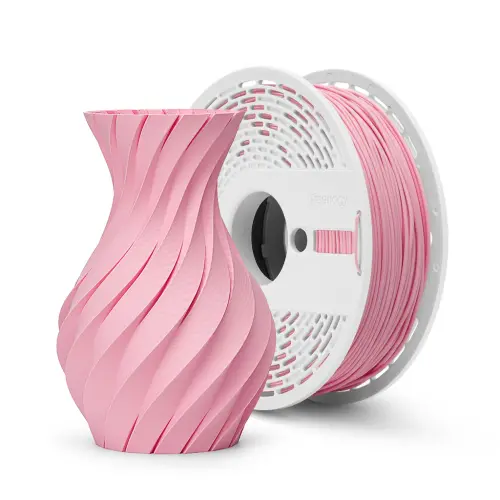
What is PLA Matte?
PLA Matte, also called matte PLA or matte filament, is PLA with a surface that reflects less light. Where regular PLA has a slight sheen, PLA Matte gives a soft, even surface. Layer lines and small imperfections are less noticeable and shapes look calmer. You see the difference most on larger surfaces. It prints almost the same as regular PLA, with little risk of warping. Fiberlogy PLA Matte has a diameter tolerance of ± 0.02 mm and a roundness tolerance of 0.01 mm.
PLA Matte or another filament?
| Filament | Choose it for |
|---|---|
| Standard PLA | Most printing, with a slight sheen and the widest choice of colours. |
| PLA Matte | Prints that will be seen: no sheen and less visible layer lines, just as easy to print. |
| Silk & Satin | Extra sheen instead, for a silk or satin look. |
| PETG Matte | A matte surface on parts that need to be stronger and better able to handle heat and moisture. |
Printing PLA Matte
- Nozzle: 200–230 °C.
- Print bed: 50–70 °C.
- Cooling: plenty, 75–100%.
- Profile: you can usually just use your PLA profile.
- Build plate: the underside takes on the texture of the plate. On a textured plate it turns out matte as well.
- Spool: 1.75 mm on 0.85 kg spools.
Read more about this filament in Fiberlogy Matte PLA for clean 3D prints. Something going wrong? In solving 3D printing problems you will find the most common problems and how to fix them.
Pros and cons of PLA Matte
Pros
- No sheen and less visible layer lines
- Prints look finished straight away
- Prints like regular PLA, without a special profile
- Little warping, no enclosure needed
- Also in soft pastel colours
Cons
- Smaller choice of colours than standard PLA
- Slightly more expensive than standard PLA
- No stronger or more heat-resistant than regular PLA; for impact-resistant parts choose PLA Impact
Uses of PLA Matte
- Design and interior: vases, lampshades and decoration.
- Presentation models: architectural models and concept designs.
- Figures and gifts: figurines, name plates and personalised gadgets.
- Prototypes: models that need to look professional.
You will find all other types under PLA filament.