 Nederland
 België
 France
 Deutschland

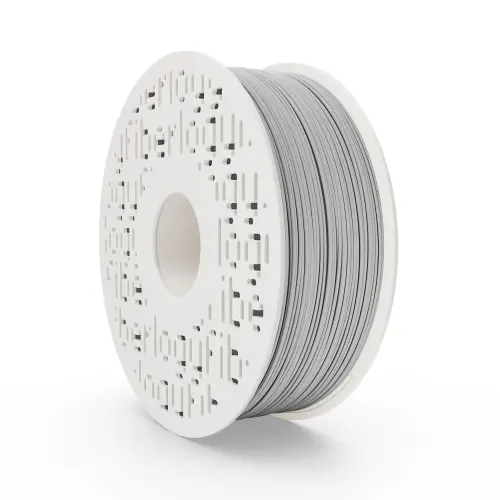
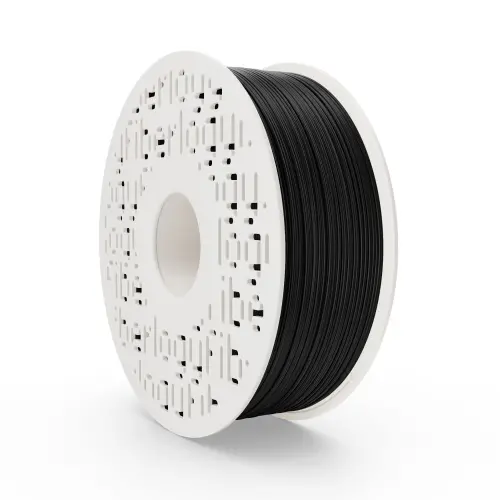
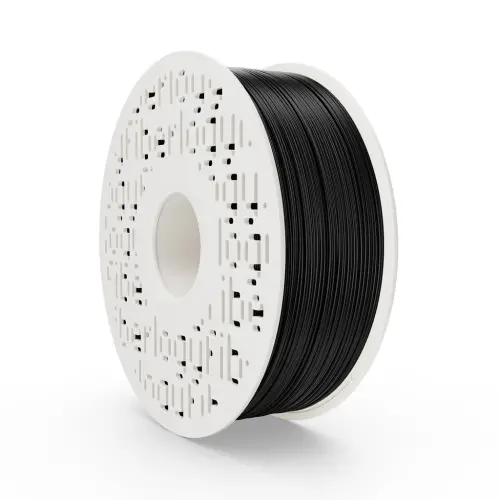
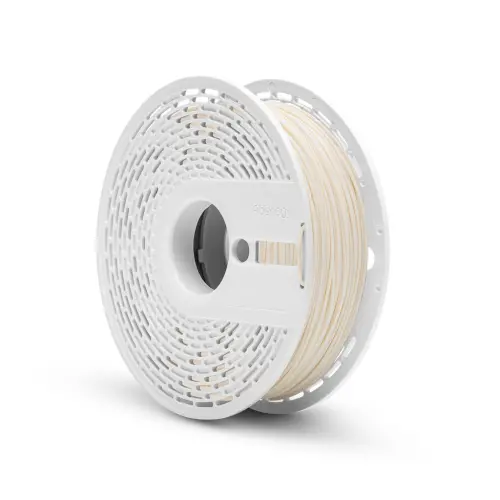
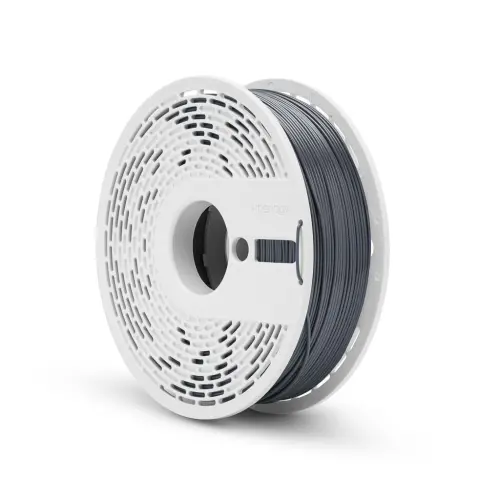
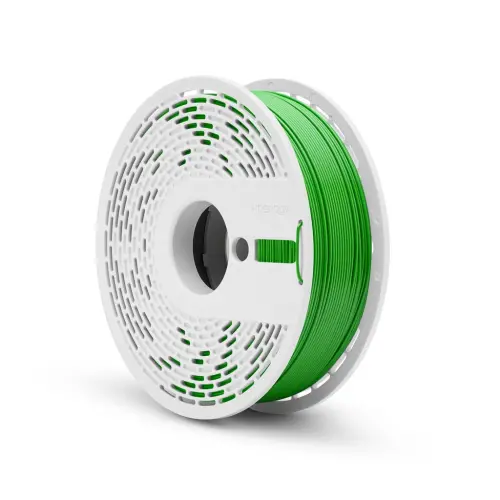
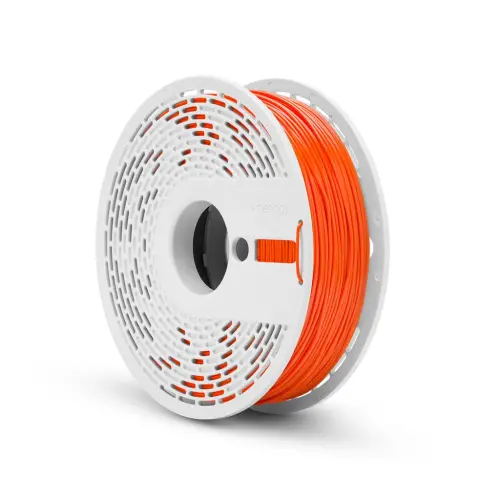
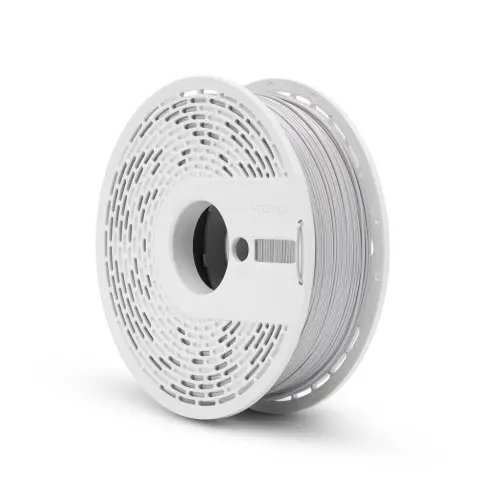
What is ABS filament?
ABS stands for acrylonitrile butadiene styrene, the same plastic used for LEGO bricks and appliance housings, among other things. ABS is hard, impact-resistant and resists wear and heat. Printing it does take more care than PLA: ABS shrinks as it cools and is sensitive to temperature changes and draughts.
Which ABS should you choose?
| Type | Suitable for |
|---|---|
| ABS | Technical printing in many solid colours. Some colours are also available in 2.85 mm. |
| Easy ABS | Transparent, glossy prints. According to Fiberlogy it prints without an enclosed printer, and it withstands around 90 °C. |
| R ABS | 100% recycled ABS in anthracite grey, also as a refill for the reusable Masterspool. |
| ABS ESD | Black ABS that dissipates static charge, for enclosures of circuit boards and sensors. See also ESD-safe filament. |
| PC/ABS | Tougher and more impact-resistant thanks to added polycarbonate. |
| ABS+GF | Stiff, dimensionally stable parts with glass fibre. |
ABS or ASA?
ABS is not UV resistant: in the sun it discolours and becomes brittle. For parts that live outdoors, choose ASA filament, which also shrinks less and smells less. Choose ABS for indoor use, for transparent prints or if you need 2.85 mm. The full range is under ABS & ASA filament.
Printing ABS: the right settings
- Nozzle: 250–265 °C for ABS, R ABS and ABS ESD; Easy ABS 235–255 °C.
- Print bed: 90–110 °C. A heated bed is required.
- Adhesion: use an adhesive. ABS ESD sticks so well that Fiberlogy recommends masking tape on the bed.
- Cooling: little or off; cold air causes cracks and warping.
- Enclosure: strongly recommended. A closed printer or enclosure keeps the temperature around the print even.
- Ventilation: ABS gives off fumes with a noticeable plastic smell. Print in a well-ventilated room.
Something going wrong? Read solving 3D printing problems.
Properties of ABS: the pros and cons
Pros
- Hard, impact-resistant and wear-resistant
- More heat-resistant than PLA and PETG
- Easy to sand, drill, glue and paint
- Can be smoothed with acetone vapour
- Also clear and in 2.85 mm
Cons
- Shrinks and warps without a stable environment
- Gives off fumes, so ventilation is needed
- Not UV resistant
Uses of ABS
- Electronics: enclosures, 3D printer parts and heat-resistant parts.
- Mechanical: gears, couplings and wear-resistant parts.
- Gadgets and toys: stands, building blocks and robots.