 Nederland
 België
 France
 Deutschland

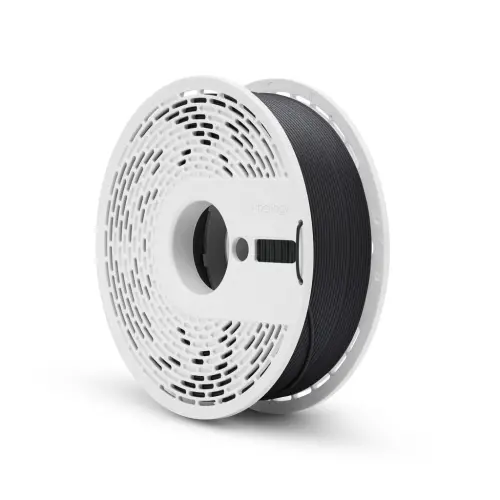
What are PCTG CF and PCTG GF?
PCTG is a copolyester from the same family as PETG, but far more impact-resistant. Adding short fibres makes it stiffer and more dimensionally stable, while the tough base remains. In PCTG + CF (carbon fibre) these are carbon fibres, in PCTG + GF (glass fibre) glass fibres. The 0.75 kg spools both contain 10% fibre. Looking for PCTG without fibres? See PCTG; you will find all types from this family under PETG & PCTG filament.
CF or GF: what is the difference?
| PCTG + CF | PCTG + GF | |
|---|---|---|
| Fibre | 10% carbon fibre | 10% glass fibre |
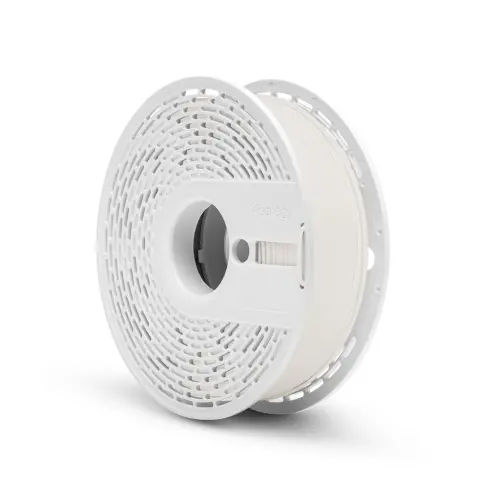
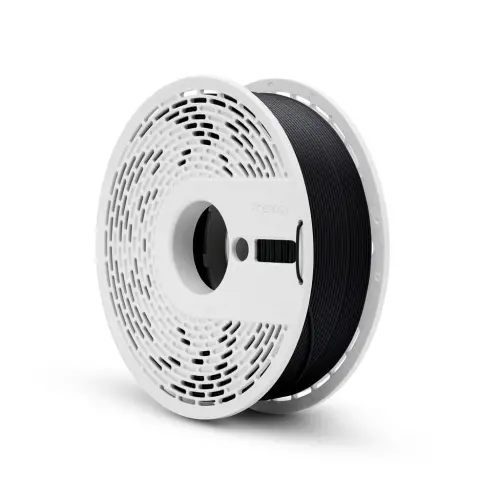
| Colours | Black | Black and natural |
| Format | 0.75 kg spool | 0.75 kg spool or 1 kg refill |
| Surface | Matte and dark, technical look | Matte, layer lines less noticeable |
In general, carbon fibre makes a print the stiffest, while glass fibre leaves a little more toughness. The natural colour of PCTG + GF is handy if you want a lighter part.
PCTG + GF as a refill
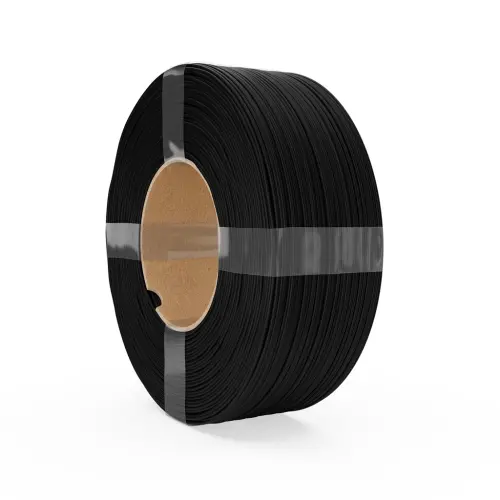
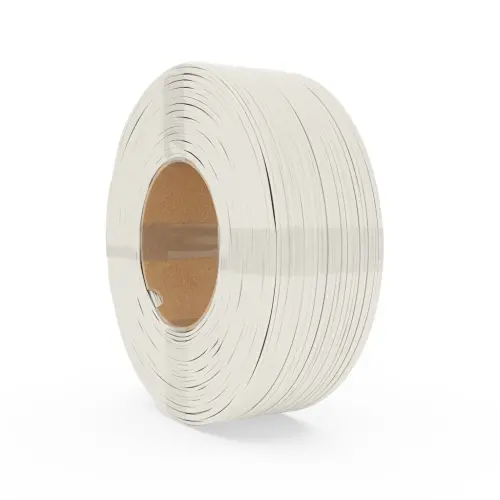
PCTG + GF is also available as a 1 kg refill: filament on a cardboard core, without a plastic spool. You mount it on a reusable Fiberlogy spool with a twist-lock system, which according to Fiberlogy also fits the AMS and other multi-material systems. That saves plastic.
Print settings
- Nozzle: 250–270 °C, for CF and GF.
- Print bed: 90–110 °C.
- Hardened nozzle: carbon and glass fibre are abrasive. Use a hardened steel nozzle or another wear-resistant material.
- Adhesion: print on a textured sheet or use glue stick as a release agent.
- Enclosure: not needed; the material shrinks little and hardly warps.
Something going wrong? Solving 3D printing problems covers the most common problems and how to fix them.
Pros and cons
Pros
- Impact-resistant PCTG base with the stiffness of fibre reinforcement
- Dimensionally stable, with little shrinkage and warping
- According to Fiberlogy, more heat-resistant than ordinary PCTG
- Matte surface; PCTG + GF also as a refill
Cons
- Abrasive: a hardened nozzle is needed
- Few colours: CF only black, GF black or natural
- Needs a hot print bed (90–110 °C)
- Absorbs moisture, so store it dry
Uses
- Prototypes: functional prototypes that are put under load.
- Workshop: tools, moulds and jigs for repeated use.
- Industry: machine parts, brackets and enclosures.
- Engineering: gears, guides and parts for the car.