 Nederland
 België
 France
 Deutschland

What is PCTG?
PCTG is a copolyester from the same family as PETG. In PCTG, a large part of the glycol is replaced by cyclohexanedimethanol (CHDM). This makes the material much tougher and clearer, without making it harder to print. Fiberlogy PCTG reaches around 90 kJ/m² in the notched Izod impact test and keeps its shape up to around 76 °C. It shrinks little and is dimensionally stable, so no enclosure is needed. How PCTG compares to the rest of the family is explained on PETG & PCTG filament.
When should you choose PCTG?
- Knocks and falls: protective covers, clips, mounts, sports accessories and airsoft parts.
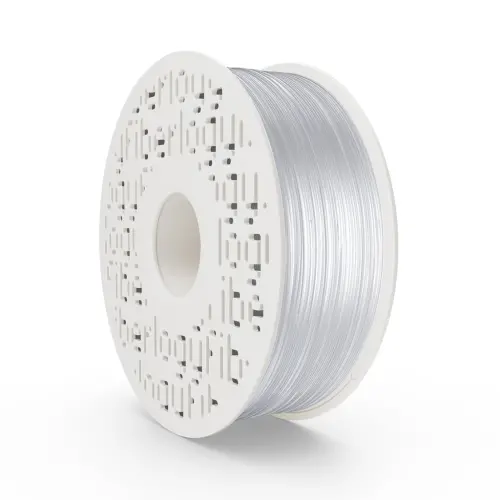
- Clarity: lampshades, viewing windows and holders you want to see through. PCTG Pure Transparent is remarkably clear.
- Chemicals: parts that come into contact with cleaning agents or oil.
- Heat: parts that get a little warmer, such as in a car.
For ordinary holders and enclosures, PETG is better value and comes in more colours. All the differences are in our article PCTG vs PETG.
PCTG, PCTG + GF or PCTG + CF?
Besides pure PCTG, you will also find PCTG with glass fibre (GF) or carbon fibre (CF) here. The fibres make the material stiffer and more dimensionally stable, but less tough. Choose pure PCTG for impact resistance and clarity, and the reinforced types for stiff technical parts. They are also grouped on PCTG + CF / GF. Fibres need a hardened steel nozzle.
Printing PCTG: the settings
- Nozzle: 250–270 °C. Start around 255 °C and go up if layer bonding is disappointing. Hotter gives a glossier surface.
- Print bed: 90–110 °C.
- Adhesion: PCTG sometimes sticks too well to smooth PEI; use glue stick or 3DLAC as a release layer.
- Cooling: around 30–50%. Too much cooling costs layer bonding and therefore strength.
- Slicer profile: in Bambu Studio and OrcaSlicer you can use the PETG profile as a starting point and raise the temperatures.
PCTG absorbs moisture; store spools sealed with silica gel beads. You will find more solutions in solving 3D printing problems.
Pros and cons of PCTG
Pros
- Far more impact-resistant than PETG
- Clear in the transparent colours
- Keeps its shape up to around 76 °C
- Little shrinkage, no enclosure needed
Cons
- More expensive than PETG
- Fewer colours than PETG, no matte or pastel
- Prints hotter, and the bed needs to reach 90–110 °C
Colours, spools and refills
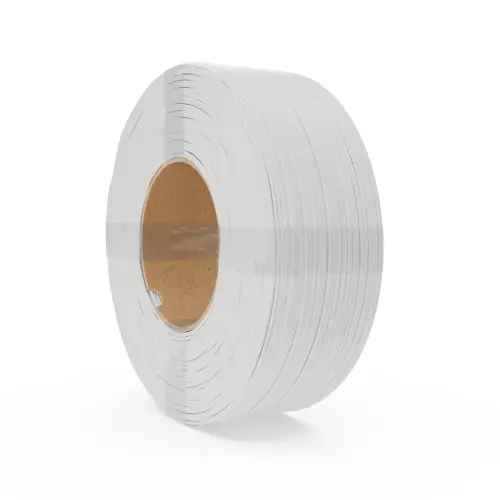
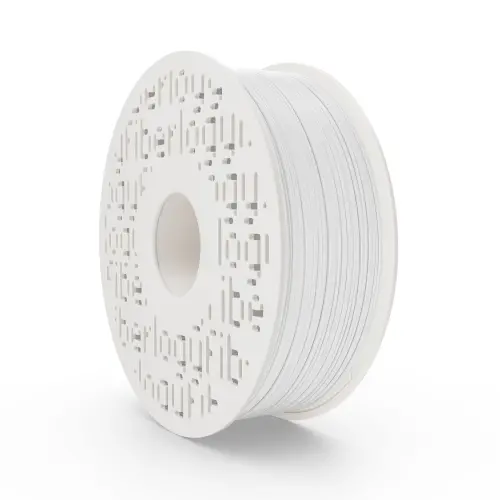
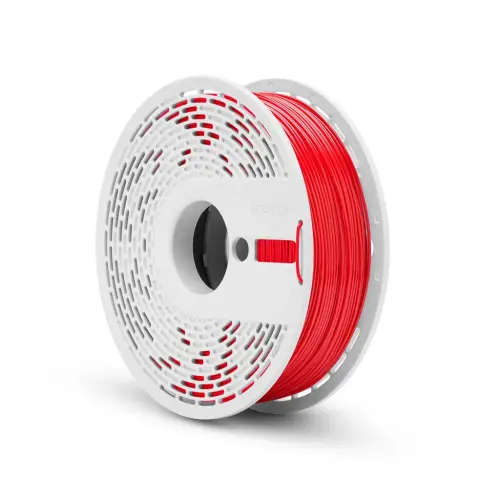
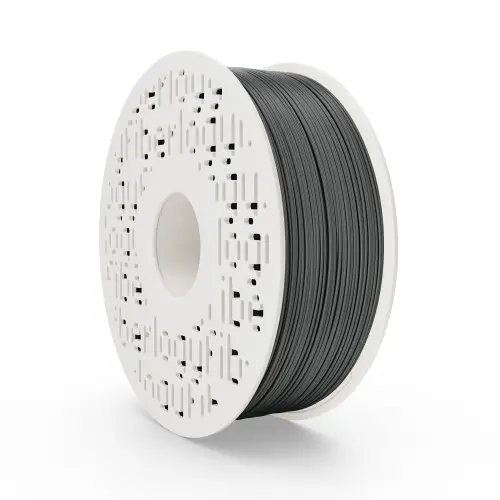
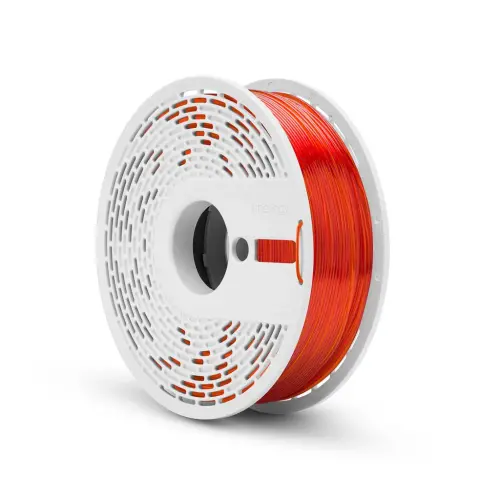
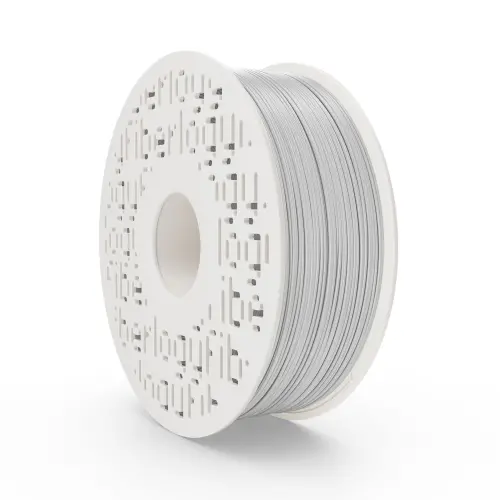
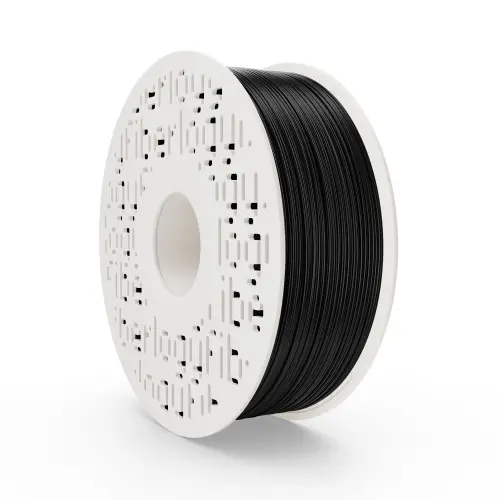
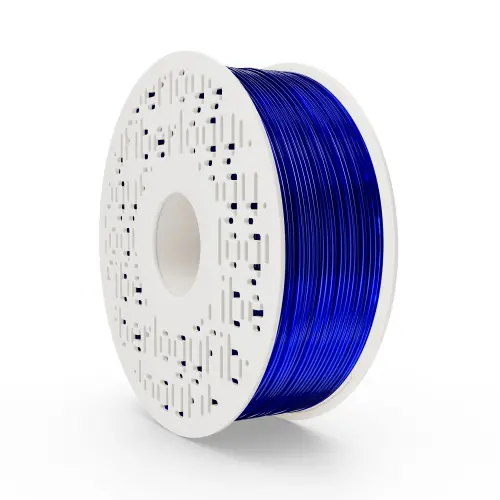
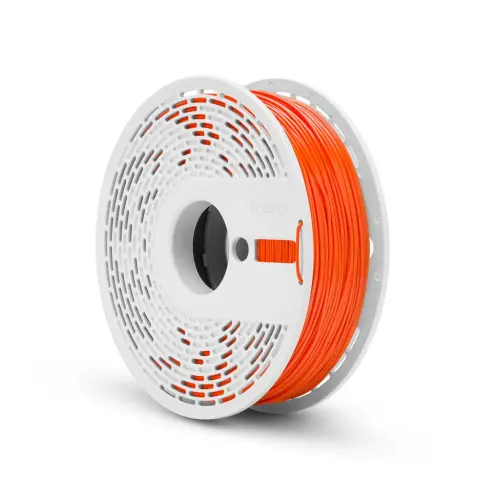
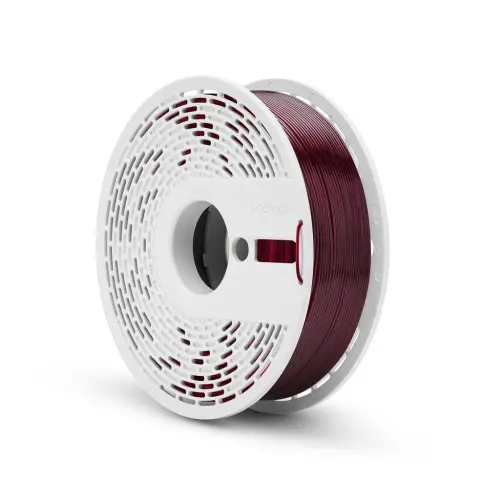
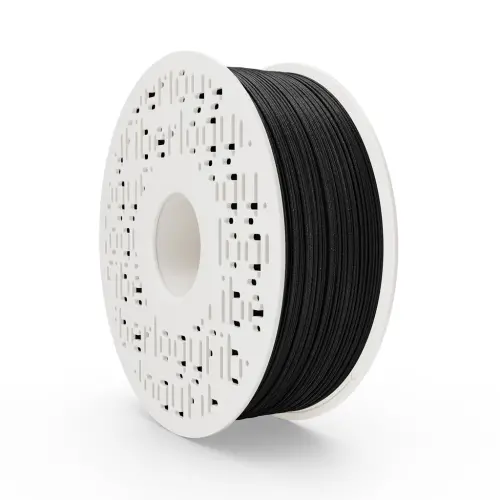
PCTG comes in solid colours such as black, white, grey, graphite, inox, onyx, blue, red and orange, and transparent in Pure Transparent, burgundy, navy blue, orange and light green. The spools are 0.75 or 1 kg. A few colours are available as a refill without a spool, for a reusable spool such as the Fiberlogy Masterspool.