Nederland
 België
 Deutschland
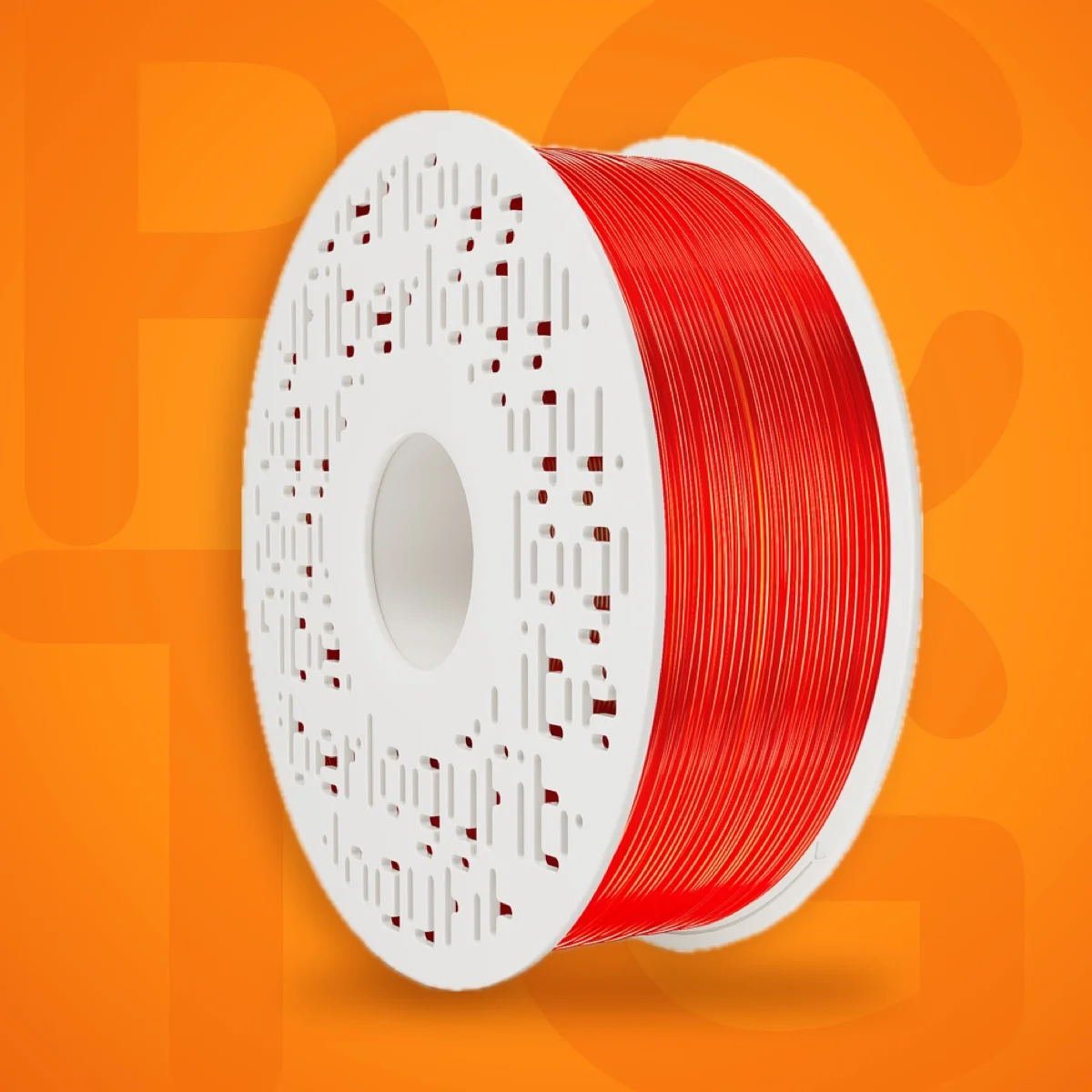
Short answer: PCTG and PETG are closely related and print almost the same way. PCTG is far more impact resistant, clearer and slightly more resistant to heat and chemicals. PETG is cheaper, comes in more colours and prints at a slightly lower temperature. Does your print have to survive knocks, drops or stress, or do you want crystal-clear parts? Choose PCTG. For most other functional prints, PETG is a fine and affordable choice.
What is PETG filament?
PETG is polyethylene terephthalate (PET, the plastic used for soft drink bottles) with a glycol modification: the G in PETG. That addition makes the material less brittle and much easier to print than plain PET. As a result, PETG has become the most widely used filament after PLA: it is stronger and tougher than PLA, more resistant to heat and moisture, and gives off hardly any smell while printing.
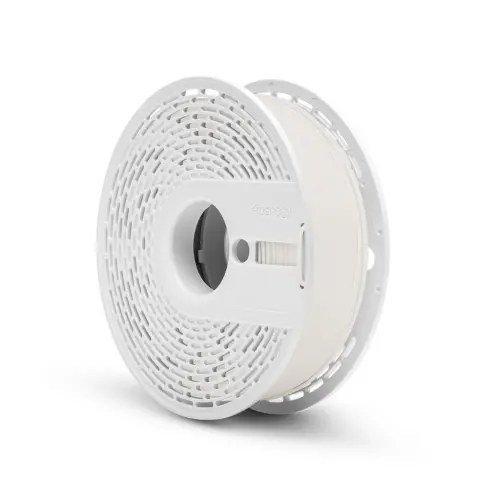
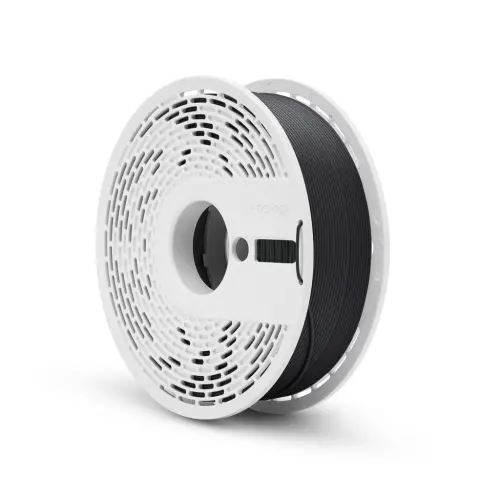
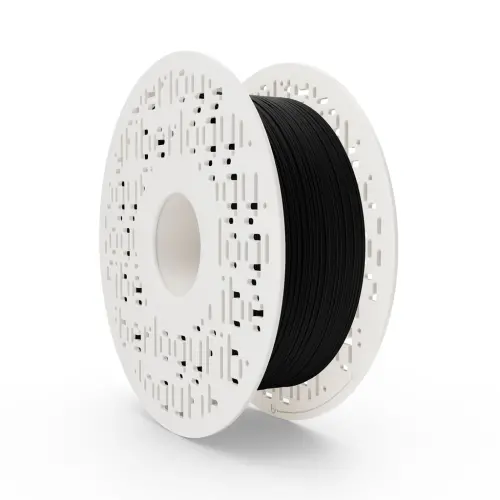
PETG has excellent layer adhesion, stands up well to water and many chemicals, and lasts longer outdoors than PLA. The downside: regular PETG can string. Fiberlogy Easy PETG was developed specifically to prevent that and prints almost as easily as PLA.
What is PCTG filament?
PCTG is a copolyester from the same family. The difference lies in its building blocks: in PCTG, a large part of the glycol is replaced by cyclohexanedimethanol (CHDM). That sounds technical, but the result is easy to notice: the material becomes much tougher and clearer without becoming harder to print.
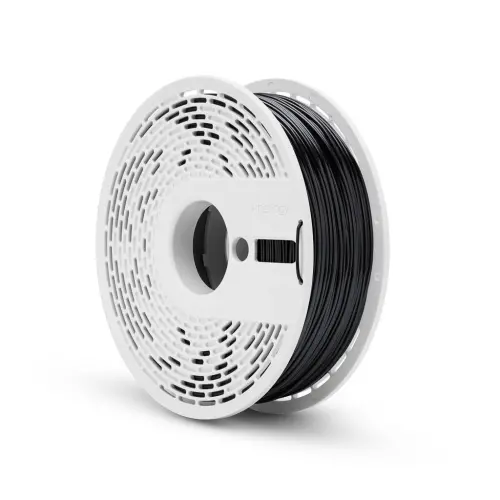
Fiberlogy's figures show how big the difference is. In the Izod impact test (notched specimen), Fiberlogy PCTG reaches about 90 kJ/m², against 5–8 kJ/m² for PETG. Where a PETG part breaks under a hard knock, a PCTG part often just flexes. PCTG also keeps its shape up to about 76 °C.
PCTG vs PETG: the differences at a glance
| Property | PETG (Fiberlogy Easy PETG) | PCTG (Fiberlogy PCTG) |
|---|---|---|
| Impact strength (Izod, notched) | 5–8 kJ/m² | approx. 90 kJ/m² |
| Heat resistance | Good | Slightly higher, up to approx. 76 °C |
| Clarity (transparent versions) | Good | Very clear |
| Chemical resistance | Good | Better |
| Nozzle temperature | 230–250 °C | 250–270 °C |
| Bed temperature | 90 °C | 90–110 °C |
| Enclosure needed | No | No |
| Diameter tolerance | ± 0.02 mm | ± 0.02 mm |
| Colour range | Very wide, including matte, pastel and transparent | Smaller, mainly solid and transparent colours |
| Price per kilo | Lower | Higher |
Values from Fiberlogy and our product specifications. For your own printer, use the temperatures on the spool as a starting point.
When to choose PETG, and when PCTG?
Choose PETG if…
- you print functional parts that mainly need to be sturdy and dimensionally stable, such as holders, enclosures or printer parts;
- you are after a particular colour or finish: PETG comes in many more colours, including matte and pastel;
- you print larger quantities and keep an eye on the price per kilo;
- you are moving up from PLA and want a strong material that prints almost as easily.
Choose PCTG if…
- your print has to withstand knocks, drops or vibration, such as protective covers, clips, mounts, sports accessories or airsoft parts;
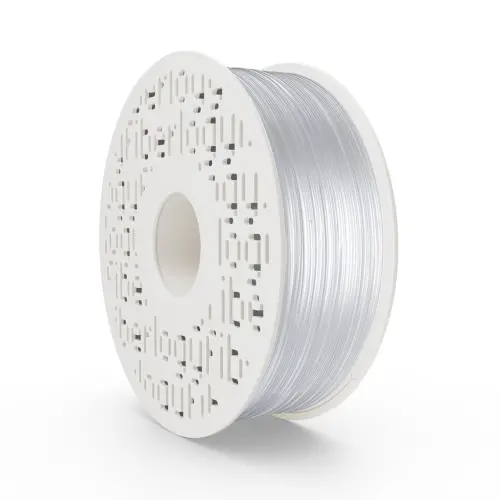
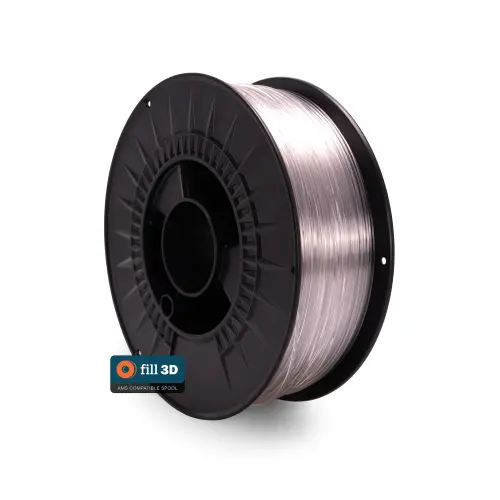
- you want clear, see-through parts such as lampshades, viewing windows or liquid containers: PCTG Pure Transparent is remarkably clear;
- your part comes into contact with cleaning agents, oils or other chemicals;
- the part gets a little warmer, for example in a car or close to a motor;
- your PETG parts crack or break and you want a tougher alternative without switching to the more demanding ABS or ASA.
Printing PCTG: settings and tips
Already printing with PETG? Then you can print PCTG too. Most settings are the same; you only need to raise the temperatures a little. These tips will get you started:
- Nozzle: 250–270 °C. Start around 255 °C and go up if layer adhesion is disappointing. A higher temperature gives a glossier surface, a lower one a slightly more matte finish.
- Bed: 90–110 °C. Like PETG, PCTG can stick too well to a smooth PEI plate. A thin layer of 3DLAC adhesive spray or glue stick acts as a release layer and stops your print from tearing a piece out of your plate.
- Cooling: use less cooling than with PLA, around 30–50%. Too much cooling reduces layer adhesion and therefore strength.
- Stringing: if you see thin strings, lower the temperature by 5 °C and check your retraction settings.
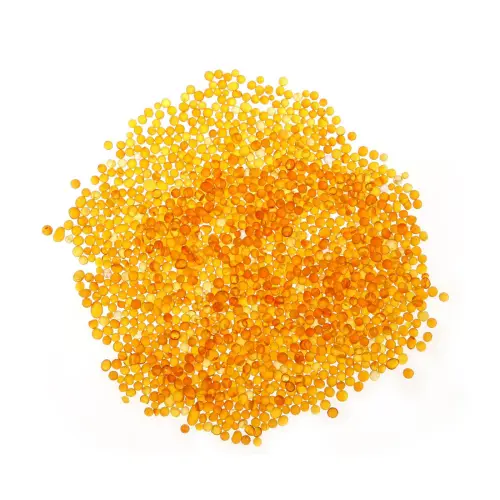
- Dry filament: PETG and PCTG absorb moisture from the air. Wet filament crackles while printing, strings more and gives a rough surface. Store your spools sealed with silica gel beads and dry a spool that has been left open for a long time before using it.
- No enclosure needed: PCTG shrinks very little and prints fine on an open printer.
Printing PCTG on a Bambu Lab printer
In Bambu Studio and OrcaSlicer, you can use the generic PETG profile as a starting point. Set the nozzle temperature to 250–270 °C and the bed temperature within the range above, and use glue or 3DLAC on the smooth PEI plate. Fiberlogy spools fit in the AMS; read more in our article on Fiberlogy and Fill 3D spools in the Bambu Lab AMS.
Even stronger: PCTG with glass or carbon fibre
Looking for more stiffness? There are reinforced versions of PCTG. PCTG + GF contains 10% glass fibre and PCTG + CF contains 10% carbon fibre. They are stiffer, more dimensionally stable and more heat resistant than standard PCTG, which makes them suitable for moulds, tools, brackets and technical parts. Note: fibre-reinforced filament is abrasive, so use a hardened nozzle. See all versions in the PCTG + CF/GF category.
Frequently asked questions
Is PCTG stronger than PETG?
PCTG is above all much tougher: in the Izod impact test, Fiberlogy PCTG scores about 90 kJ/m², against 5–8 kJ/m² for PETG. It is therefore far less likely to break from a knock or drop. In stiffness the two are close. If stiffness is what you need, look at PCTG with glass or carbon fibre.
Can I print PCTG with my PETG settings?
Almost. Use your PETG profile as a starting point and raise the nozzle temperature to 250–270 °C. Cooling, speed and retraction can usually stay the same.
Is PCTG food safe?
Fiberlogy PCTG Pure Transparent is approved for food contact and BPA-free. Bear in mind that a 3D print has small grooves between the layers where bacteria can settle. A print is therefore less suitable than a moulded product for repeated use with food.
Do I need an enclosure for PCTG?
No. PCTG shrinks very little and prints well on an open printer, just like PETG.
Is PCTG recyclable?
Yes. Like PETG, PCTG is a copolyester that can be recycled.
Buying PETG and PCTG filament
At 3D fanshop you will find Fiberlogy Easy PETG, PETG Matte and Fill 3D PETG in the PETG category, and all Fiberlogy PCTG colours in the PCTG category. Not sure which material suits your project best? Feel free to send us a message; we are happy to help.