 Nederland
 België
 France
 Deutschland


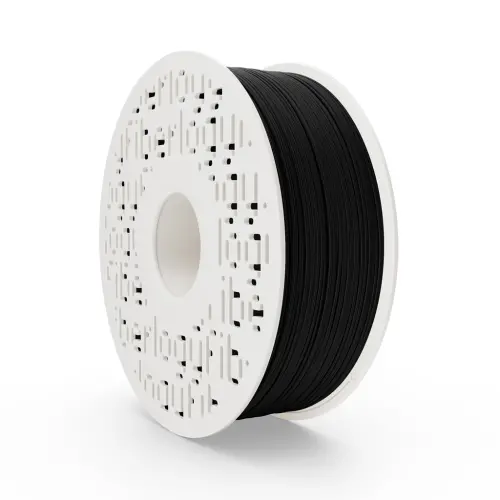
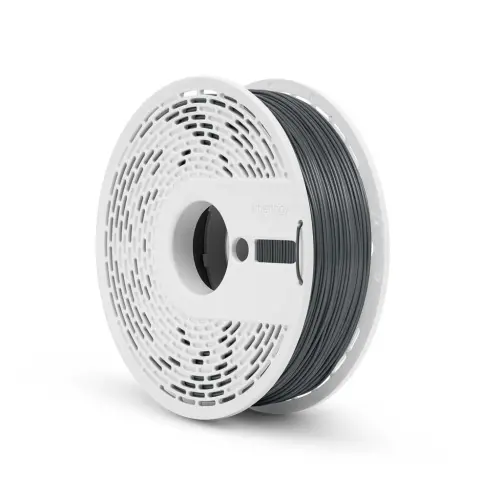
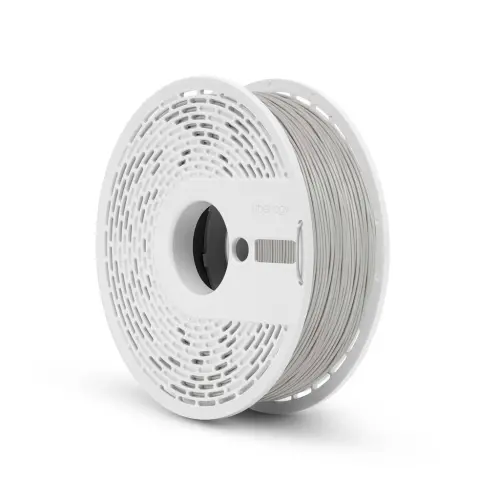
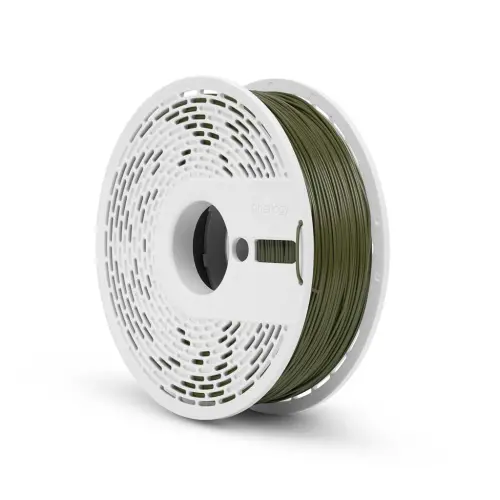
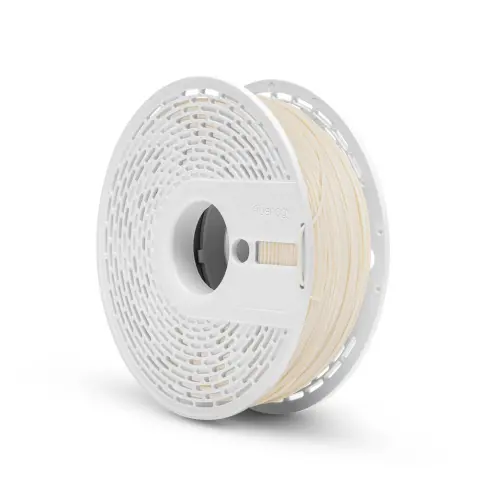

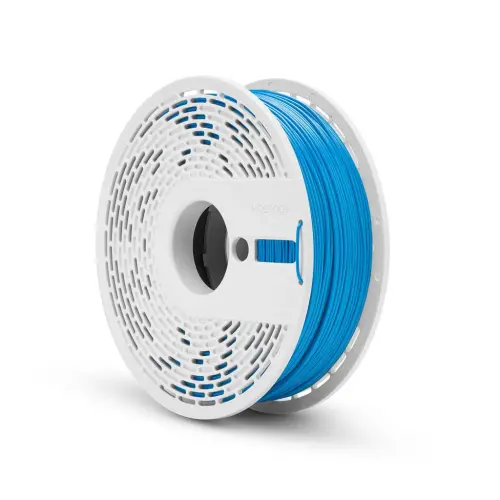
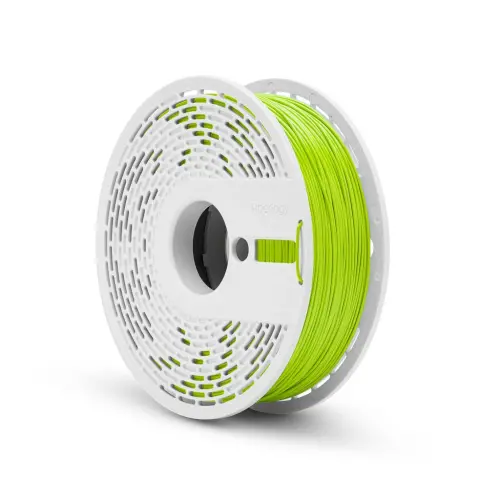
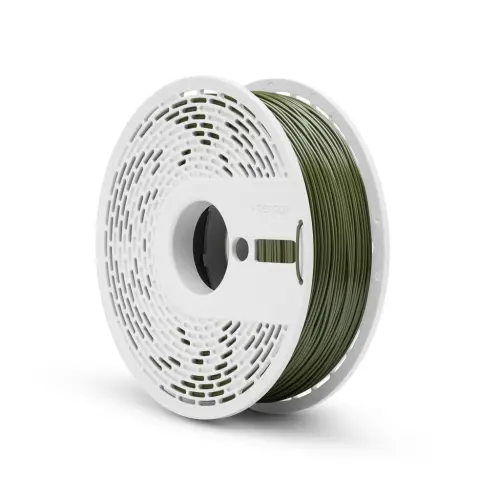
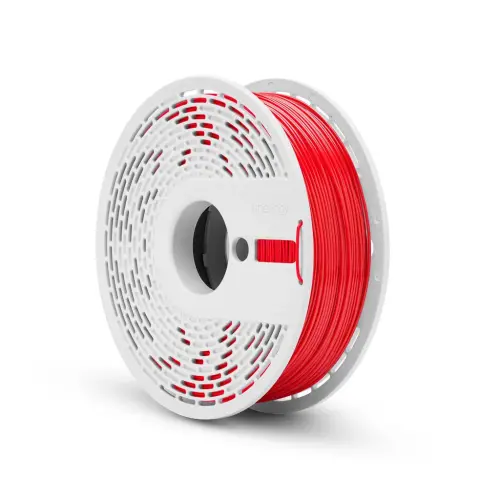
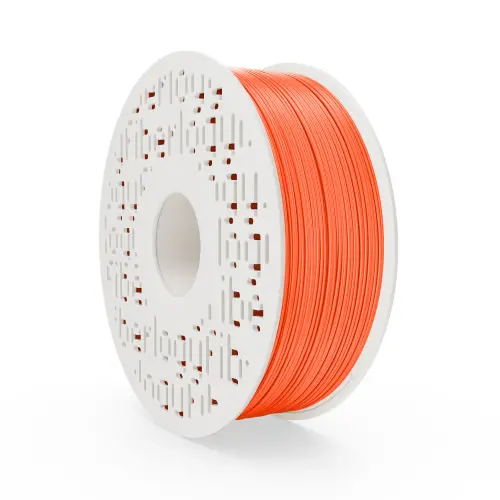
What is ASA filament?
ASA stands for acrylonitrile styrene acrylate. It is related to ABS, but contains acrylate rubber instead of butadiene rubber. This makes ASA resistant to UV light and weathering: where ABS discolours and turns brittle in the sun, ASA keeps its colour and strength. Fiberlogy ASA also resists moisture and keeps its shape up to around 94 °C.
ASA or ABS?
Both are strong and more heat-resistant than PLA and PETG. ASA is easier to print: it shrinks less, warps less readily and gives off less unpleasant odour. Choose ASA for anything that goes outdoors or stands in the sun. ABS is worth considering if you are looking for transparent colours, 2.85 mm filament or an ESD variant. You will find all types under ABS & ASA filament.
Which ASA should you choose?
| Type | Suitable for |
|---|---|
| ASA | Outdoor parts in solid colours, with a glitter effect (Onyx, Vertigo) or in a steel grey colour (Inox). |
| ASA Matte | Visible parts with a matte surface on which layer lines show less. |
| ASA+AF | ASA with aramid fibre: stiffer, more wear-resistant and more dimensionally stable, for technical outdoor parts. |
Printing ASA: the right settings
- Nozzle: 255–270 °C, for all Fiberlogy ASA, including ASA Matte and ASA+AF.
- Print bed: 90–110 °C.
- Adhesion: a clean print bed and a thin layer of adhesive stop corners from lifting.
- Cooling: little or none. Too much cold air causes cracks between layers.
- Enclosure: not required according to Fiberlogy. For large or tall prints, a closed printer or enclosure does help against warping and cracking caused by draughts.
- Ventilation: ASA gives off fumes while printing. Place the printer in a well-ventilated room.
The exact temperatures are listed with each product. Something going wrong? Our article on solving 3D printing problems covers the most common problems and how to fix them.
Properties of ASA: the pros and cons
Pros
- Resists UV light, rain and moisture: colour and shape are preserved
- Keeps its shape up to around 94 °C
- Strong and impact-resistant
- Less shrinkage and less odour than ABS
- Easy to post-process: sanding, painting and smoothing with acetone
Cons
- Prints hotter than PLA and PETG, with a print bed up to 110 °C
- Gives off fumes, so ventilation is needed
- Large prints can warp without an enclosure
Uses of ASA
- Home and garden: outdoor parts and decoration, tools and everyday items.
- Car and motorbike: accessories, mounts and replacement parts.
- Sport: protectors, accessories and spare parts.
- Electronics: enclosures for outdoor sensors and cameras, and parts for 3D printers.