 Nederland
 België
 France
 Deutschland

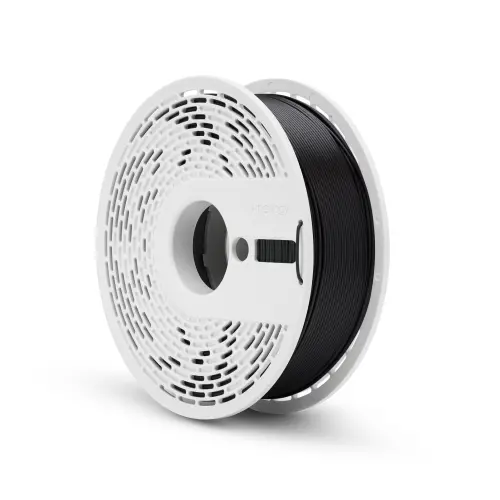
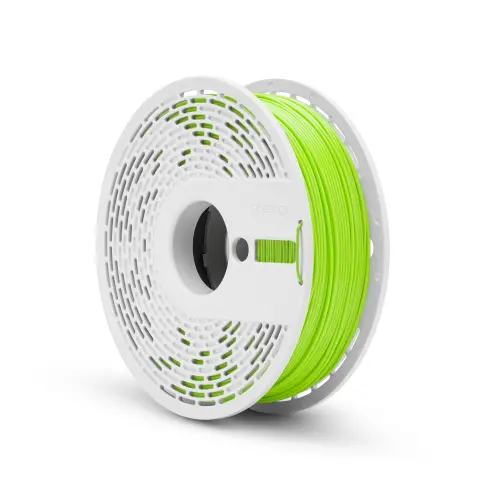
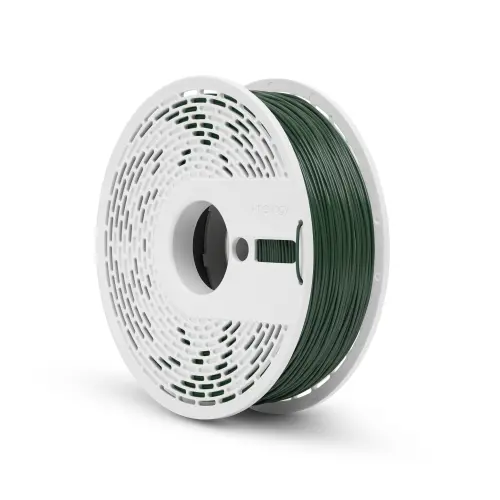
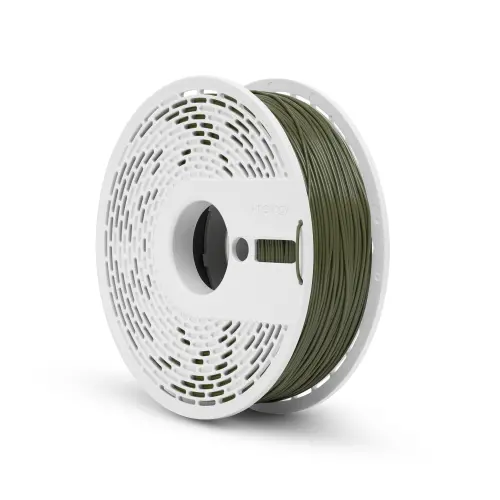
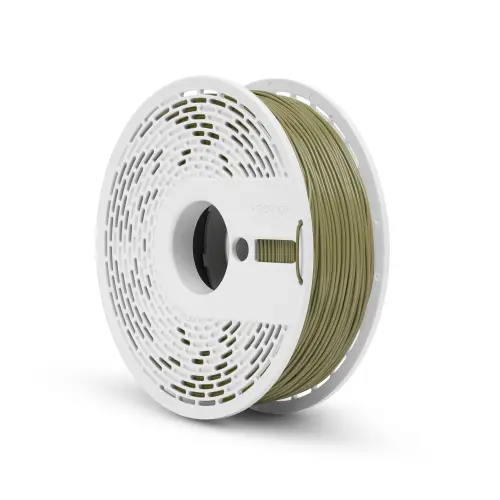
What is PLA Impact?
PLA Impact, also called impact PLA or impact-resistant PLA, is PLA modified to be less brittle. Regular PLA is stiff: when hit, it breaks rather than gives. Fiberlogy PLA Impact absorbs such a knock much better. According to Fiberlogy, its impact strength is up to 8 times that of regular PLA, and up to 50% higher than that of ABS. At the same time it keeps the accuracy and ease of printing of PLA: no enclosure, little warping and no strong smell. Read more in Fiberlogy Impact PLA, 8x stronger than regular PLA.
PLA Impact or another filament?
| Filament | Choose it for |
|---|---|
| Standard PLA | Models and decoration. Stiff, and can break on impact. |
| PLA Impact | Indoor parts that have to survive a knock or a fall, with the ease of printing of PLA. |
| PLA + CF | Stiff, dimensionally stable parts instead. Less impact-resistant. |
| PETG and PCTG | Tough parts that also need to handle heat and moisture, or stay outdoors. |
Printing PLA Impact
- Nozzle: 220–245 °C, slightly hotter than regular PLA.
- Print bed: 50–70 °C.
- Cooling: as with PLA. For heavily loaded parts you can cool a little less for better bonding between layers.
- Strength: more walls (perimeters) often make a part stronger than a higher infill.
- Enclosure: not needed.
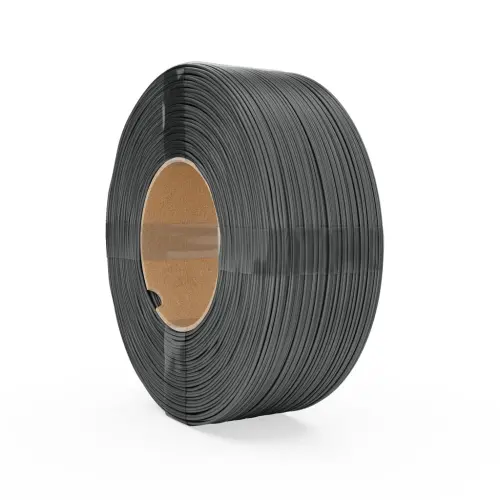
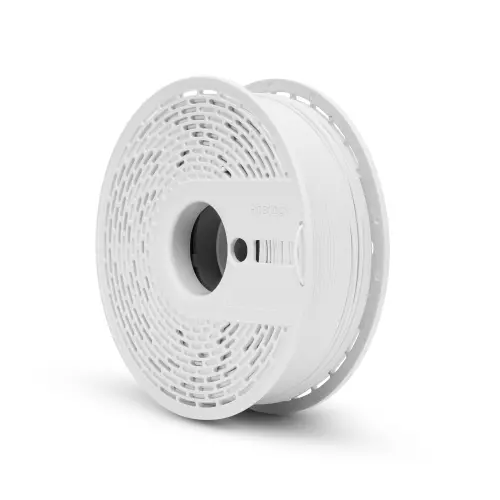
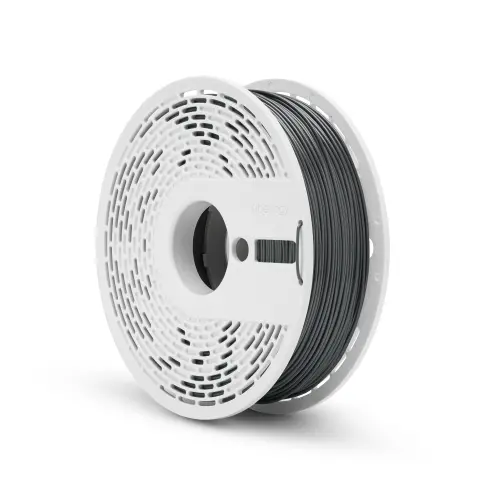
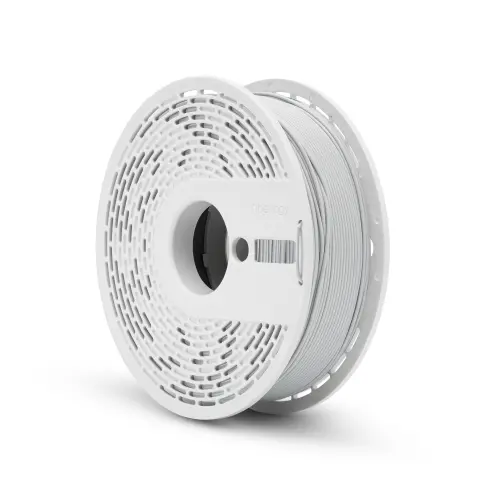
- Spool: 1.75 mm on 0.85 kg spools. The spools fit in the Bambu Lab AMS.
Something going wrong? In solving 3D printing problems you will find the most common problems and how to fix them.
Pros and cons of PLA Impact
Pros
- Far more impact-resistant and less brittle than regular PLA
- Prints almost as easily, without an enclosure
- Accurate, with good adhesion to the bed and between layers
- Easy to finish and paint
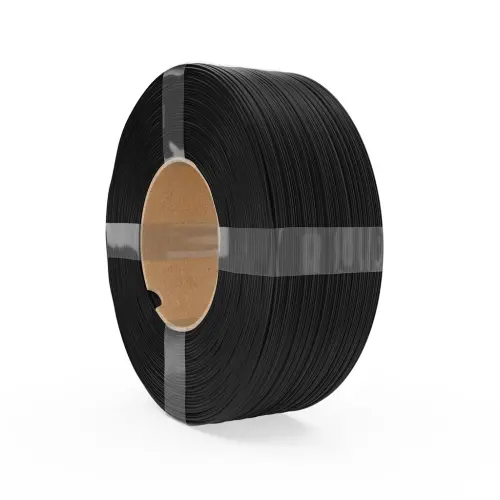
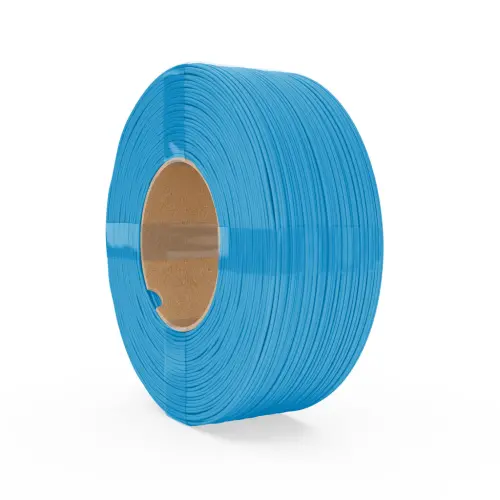
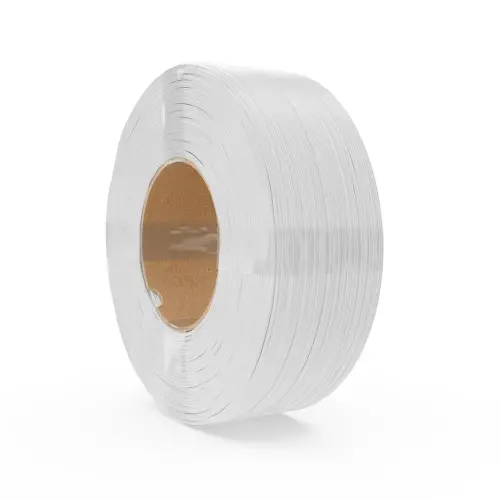
- Some colours also available as a refill
Cons
- Prints slightly hotter than regular PLA
- More expensive than standard PLA
- Still PLA: for parts that get warm or stay outdoors for years, choose PETG or ASA
Uses of PLA Impact
- Home: holders, brackets, clips, handles and trays.
- Toys: building blocks, cars, robots and figures.
- Props and cosplay: helmets, weapons and armour parts.
- Parts: spare parts for appliances and machines.
- Workshop: tools, jigs and functional prototypes.
You will find all other types under PLA filament.