 Nederland
 België
 France
 Deutschland

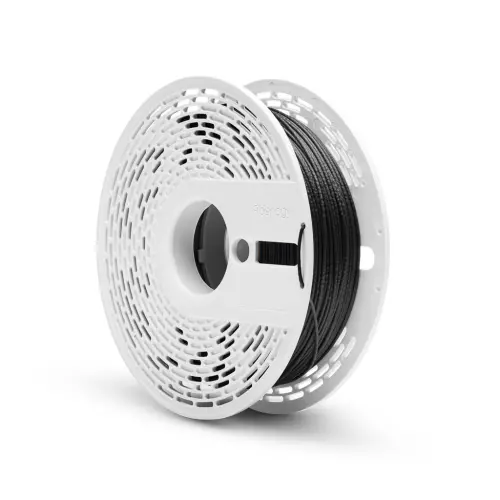
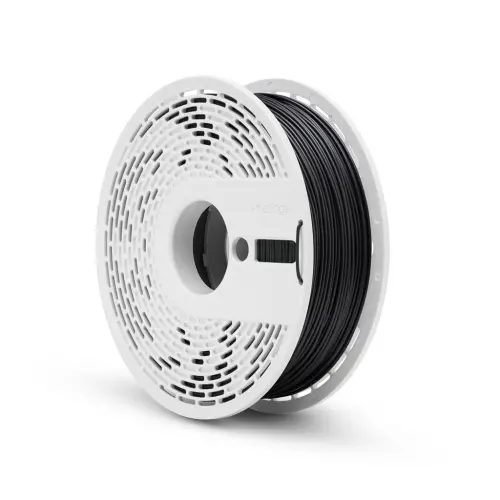
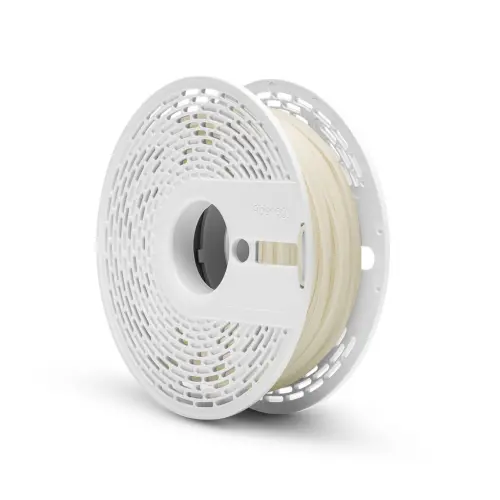
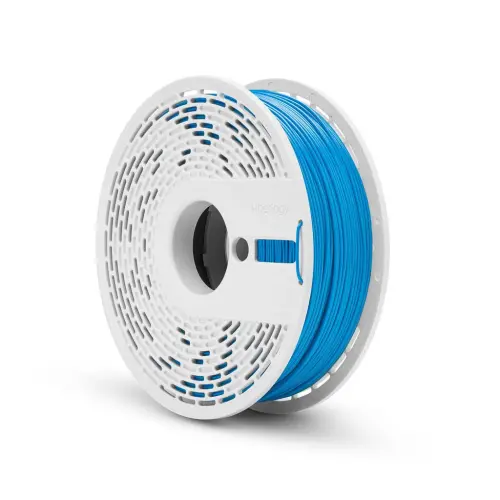
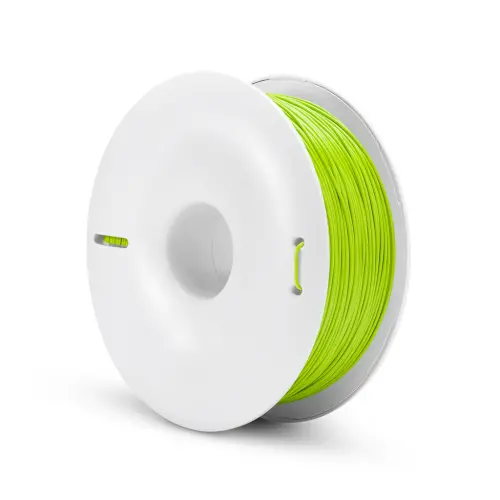
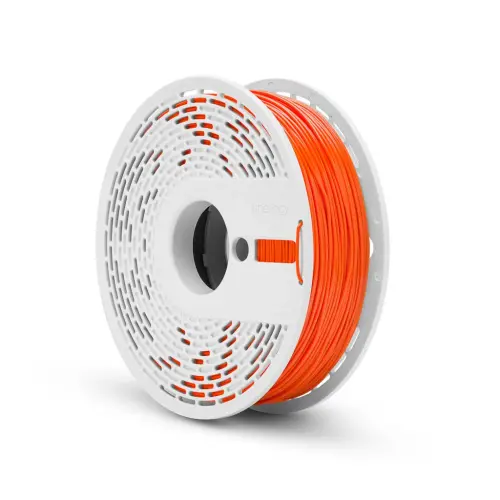
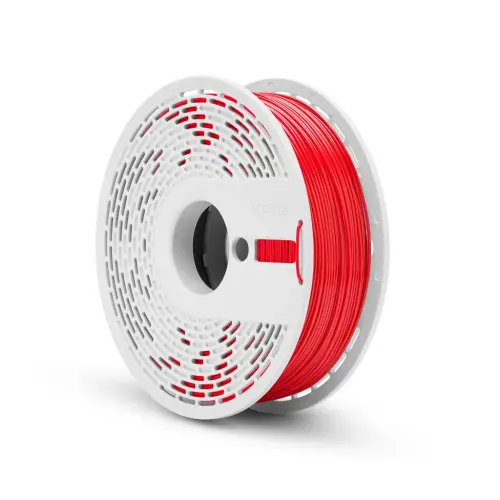
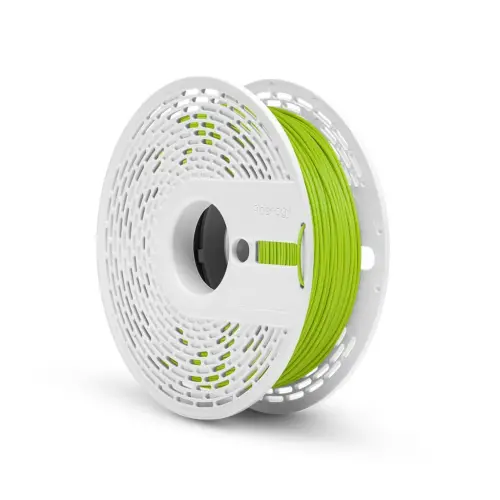
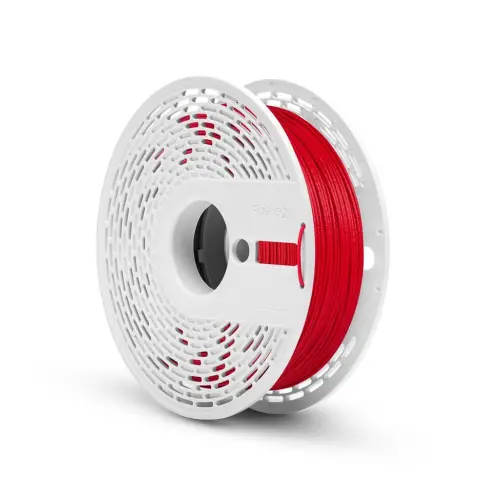
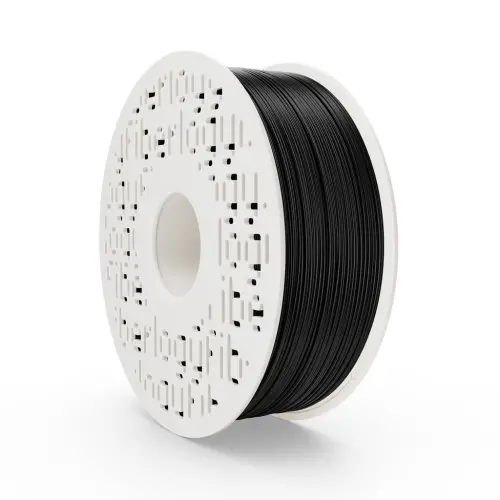
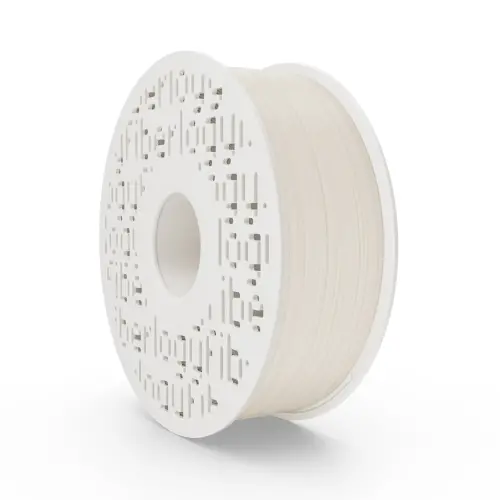
What is nylon PA12 filament?
Nylon is the common name for polyamide (PA). PA12 is one of its types. It absorbs less moisture than the widely used PA6 and therefore holds its dimensions better. Fiberlogy Nylon PA12 is tough and resilient: according to Fiberlogy it stretches 50% before it breaks. It resists high temperatures, alcohol and many chemicals, and it is easy to post-process and varnish.
Which nylon should you choose?
| Type | Suitable for |
|---|---|
| Nylon PA12 | Tough, wear-resistant parts such as gears, plain bearings and clips. On 0.75 and 1 kg spools. |
| R Nylon PA12 | The same nylon from 100% recycled material, in anthracite grey. |
| Nylon PA12 + CF / GF | Stiff, dimensionally stable parts: PA12 with 15% carbon fibre or 15% glass fibre. |
Drying nylon and keeping it dry
Nylon is hygroscopic: it draws moisture from the air, and faster than PLA or PETG. Damp nylon crackles in the nozzle and causes bubbles, heavy stringing and weaker prints.
- Drying: dry nylon before printing in a filament dryer, on the setting for nylon or PA. Allow several hours; a long time at a moderate temperature is better than a short time at high heat.
- Storage: store the spool airtight, for example in the Air Tight Filament Storage Set with silica gel beads.
Printing nylon PA12: the right settings
- Nozzle: 255–270 °C, for all Fiberlogy PA12 types.
- Print bed: around 100 °C; for PA12 + GF 90–110 °C.
- Adhesion: nylon adheres poorly to glass. Print on a PEI sheet with a thin layer of glue stick.
- Cooling: little or none, for better layer bonding and less warping.
Something going wrong? Our article on solving common 3D printing problems covers the most common problems and their solutions.
Pros and cons of nylon filament
Advantages
- Tough and resilient: bends rather than breaks
- Wear-resistant, so suitable for parts that move or rub
- Resists high temperatures, alcohol and many chemicals
Disadvantages
- Absorbs moisture quickly; drying and dry storage are necessary
- Prints hot: the nozzle has to reach 270 °C and the bed around 100 °C
- Less stiff than PLA; for stiff parts choose the CF or GF variant
Applications of nylon PA12
- Mechanical: gears, guides and plain bearings.
- Fastening: clips, snap fits, hinges and nuts.
- Workshop: tool holders, jigs and wear parts.
Nylon PA12 is part of our technical filament, together with PP and soluble support material, among others.