Nederland
 België
 France
 Deutschland
FiberFlex Aero: 3D printing with foam technology for lighter, softer prints
Anyone who has printed flexible filament before will undoubtedly know Fiberlogy's FiberFlex line. With FiberFlex Aero, Fiberlogy takes a big step further: this is the first foaming filament in the FiberFlex series. In this blog we explain what foam printing actually involves, which settings you need and which applications this material is a godsend for.
What is foaming filament?
FiberFlex Aero contains particles that react to temperature. As soon as they are heated, they expand several times in volume, comparable to the foaming of EVA foam, but straight from your 3D printer. What is special is that you as the user decide how strongly that foaming happens. By playing with the nozzle temperature, the flow and the printing speed, you control the density of the material. A higher temperature and lower flow produce stronger foaming, and therefore a lighter and softer result. If you want a sturdier, less foamed print, you go for a lower temperature and higher flow.
This makes it possible to vary within a single print: combining a sturdy, wear-resistant outside with a soft, vibration-damping filling, simply by adjusting the settings per layer.
The advantages of FiberFlex Aero at a glance
- Up to 50% weight reduction – your print stays the same size in volume but weighs considerably less.
- Hardness controllable per layer – combine a sturdy shell with a soft, damping core.
- Soft Touch surface – a matte, foam-like finish that feels pleasant.
- Up to 50% less filament consumption, depending on the chosen degree of foaming – and therefore a lower material cost per print.
Applications: where FiberFlex Aero really comes in handy
Thanks to the combination of weight saving, damping and a soft finish, FiberFlex Aero is suitable for a wide range of sectors:
- Orthopaedics and rehabilitation: orthoses and orthopaedic insoles benefit from the soft, pressure-distributing properties of the material.
- Sport and recreation: think of grips, protectors, helmet parts and other sports accessories where shock absorption matters.
- Drones and RC models: shock absorbers and undercarriage parts that have to cope with a hard landing.
- Automotive: seals, bumper elements and vibration dampers.
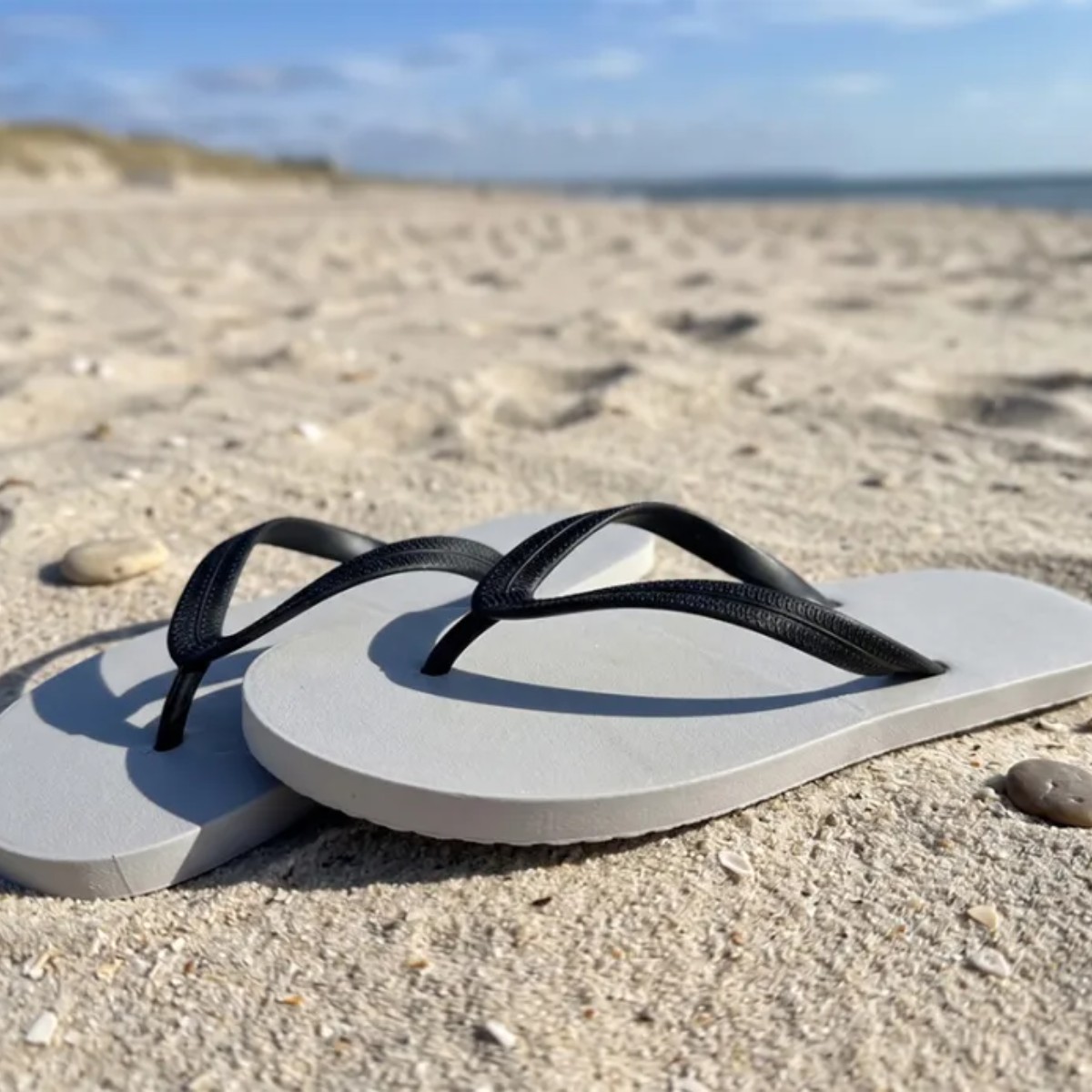
- Footwear: insoles and (mid)soles with a comfortable, cushioning structure.
Curious about more flexible filaments? Have a look at the complete range of flexible filament in our webshop.
Print settings for FiberFlex Aero
To get the most out of this material, the following guidelines apply:
- Nozzle temperature
- 200–240°C
- Bed temperature
- 70–80°C
- Enclosed chamber
- Not needed
- Fan
- 50–100%
- Nozzle diameter
- 0.6–0.8 mm (recommended)
- Drying before use
- 4 hours at 60°C
Please note: because FiberFlex Aero attracts moisture, drying before use is far from a luxury. That way you avoid a less attractive print caused by moisture absorption.
Tips for experimenting with the degree of foaming
Because you determine the density yourself, it pays to test before you start your final print:
- First print a small test block at different nozzle temperatures (210°C, 220°C and 230°C, for example) to see how strongly the material foams.
- Reduce the flow slightly if you want stronger foaming and therefore a lighter result.
- Use a lower printing speed for more control over the layer build-up, certainly with more complex geometries.
- Want a sturdy outside with a soft core? Print the outer walls with less foaming (lower temperature/higher flow) and the infill with stronger foaming.
Conclusion
FiberFlex Aero opens up a new category within 3D printing: foaming filament with which you determine the balance between weight, hardness and damping yourself. Whether you want to print an orthopaedic insole, a shock-absorbing drone part or a comfortable grip, with this material you have the flexibility to print exactly the result your project needs.
Curious what FiberFlex Aero could mean for your next project? Have a look at the spool in our webshop in black, grey or natural and discover for yourself how light, strong and versatile printing with foam technology can be.