 Nederland
 België
 France
 Deutschland
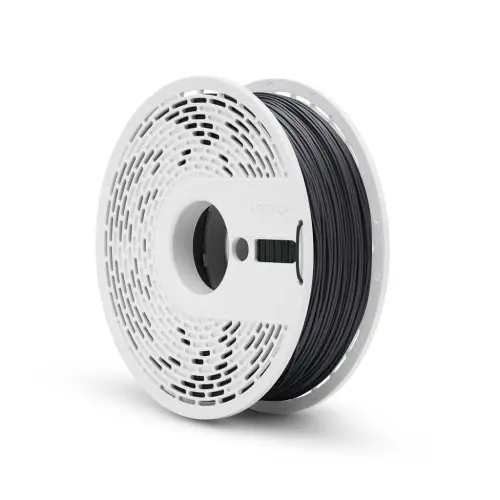
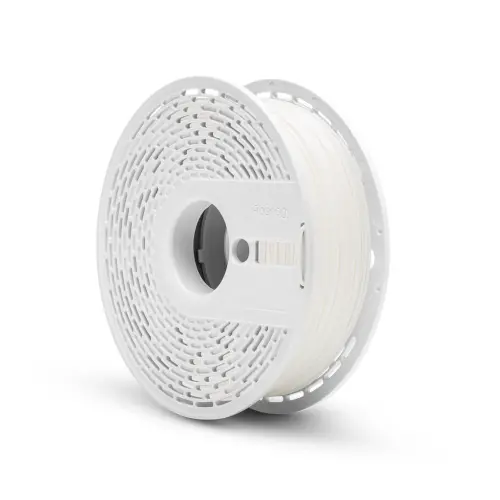
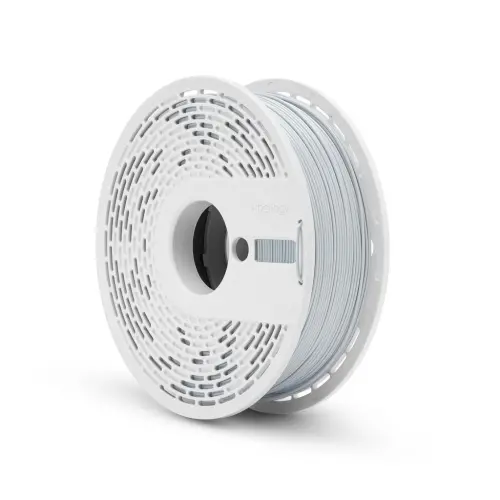
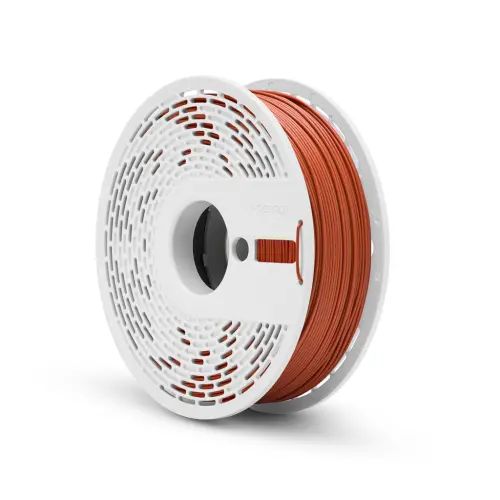
What is silk filament?
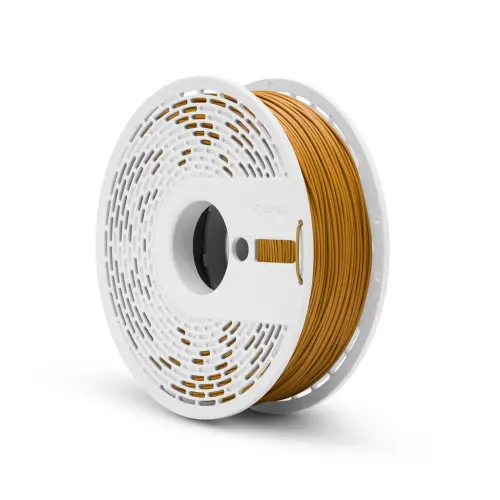
Silk filament, also called silk PLA, is PLA with additives that make the surface shine. Where ordinary PLA has a slight sheen, a silk print gets a silky or metallic gloss. Curves and corners catch the light, and layer lines are less visible. It prints almost as easily as ordinary PLA, without an enclosure.
Silk, satin or matte?
| Finish | Appearance | Choose it for |
|---|---|---|
| Silk | High gloss, silky or metallic | Decorations, figures and gifts that need to stand out |
| Satin | Semi-matte with a subtle sheen and a slightly rough texture | A calm look with almost invisible layers |
| PLA Matte | No gloss | Clean design prints without reflections |
| Standard PLA | Slight sheen | Everyday printing, in many colours |
Which silk filament should you choose?
| Filament | Effect | Nozzle | Print bed | Spool |
|---|---|---|---|---|
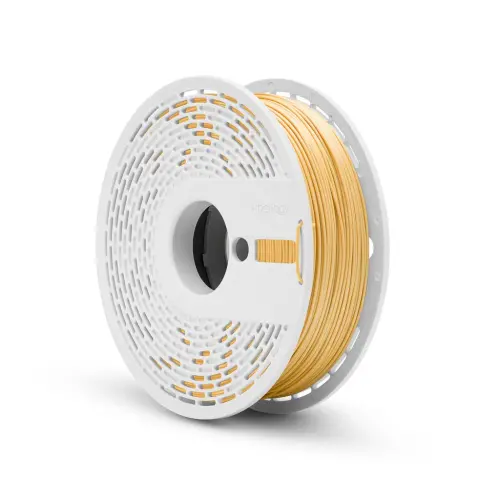
| Fiberlogy FiberSilk | Metallic sheen in solid colours, such as gold, silver, copper and bronze | 210–230 °C | 50–70 °C | 0.85 kg |
| Fiberlogy FiberSatin | Satin sheen, semi-matte | 200–230 °C | 50 °C | 0.85 kg |
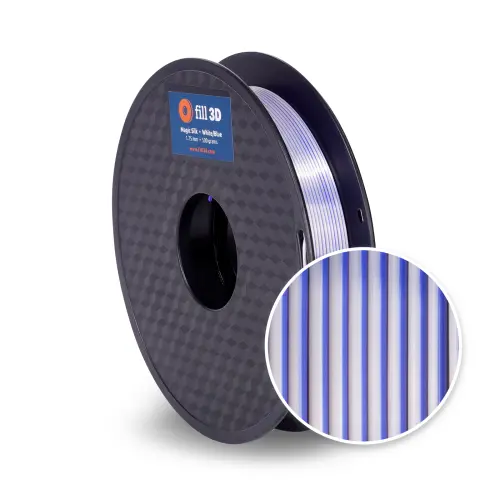
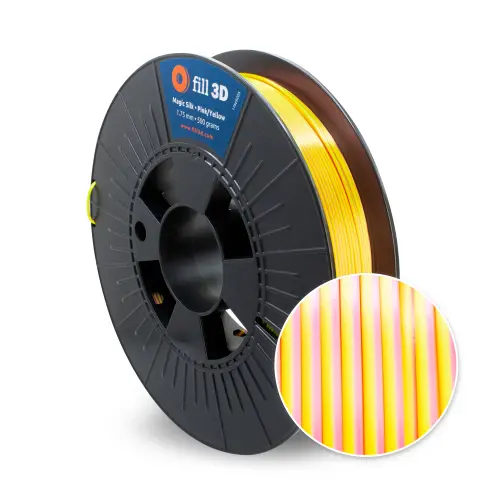
| Fill 3D Magic Silk | Two colours in one strand: the print changes colour as you turn it | 215–235 °C | 50–70 °C | 0.5 kg |
| Spectrum PLA Silk Rainbow | Silk sheen with a colour gradient along the length of the strand | 210–240 °C | 40–60 °C | 1 kg |
Printing silk PLA
- Temperature: stay within the range of your spool. Silk usually shines most in the upper part of it, with calmly printed outer walls.
- Profile: you can start from your PLA profile. According to Fiberlogy, FiberSatin works with the same profile as Easy PLA.
- Adhesion: FiberSatin adheres so strongly that it can damage a PEI sheet. Print it on tape or with a layer of glue.
Something going wrong? Our article on solving common 3D printing problems covers the most common problems and their solutions.
Pros and cons of silk filament
Advantages
- Eye-catching gloss without sanding or varnishing
- Prints like ordinary PLA, without an enclosure
- Special effects such as duotone and colour gradients
Disadvantages
- Made for looks; other filaments are better suited to functional parts
- The gloss depends on temperature and speed; a test print pays off
Applications of silk filament
- Decoration: vases, lamps, figurines and Christmas decorations.
- Toys: figures, animals and vehicles.
- Jewellery: rings, necklaces and bracelets.
- Cosplay: costume parts and accessories with a metal look.
You will find all other types under PLA filament.