 Nederland
 België
 Deutschland
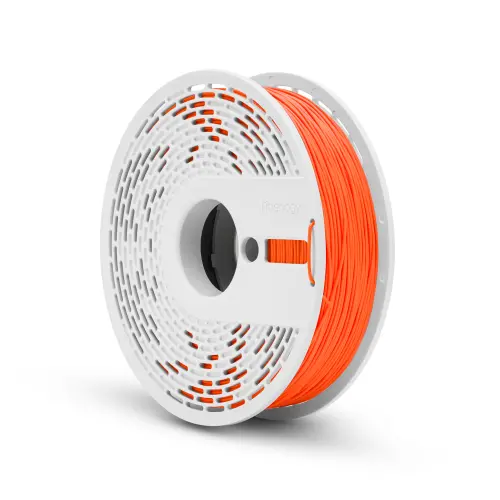
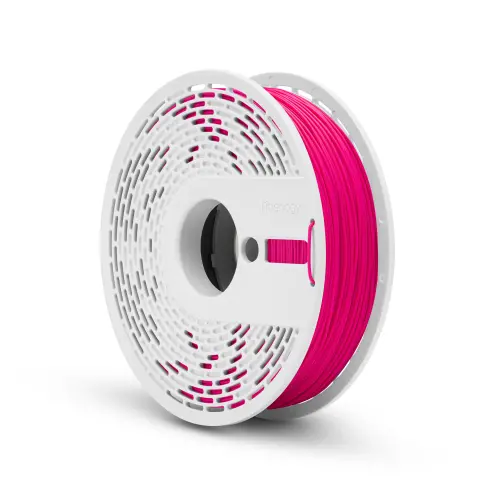
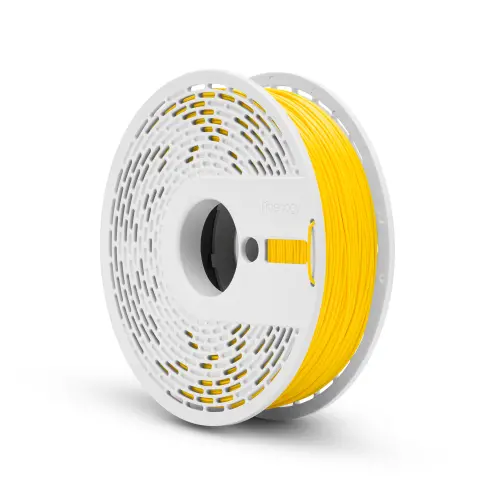
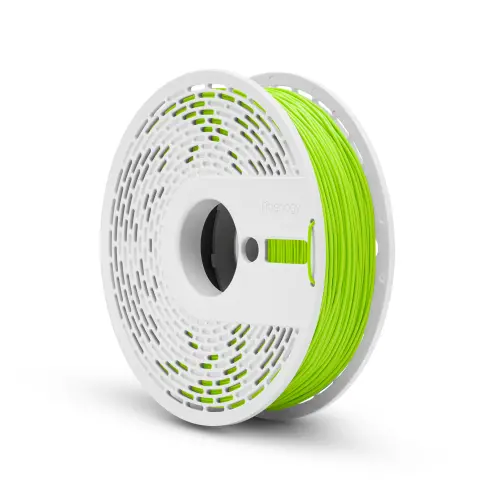
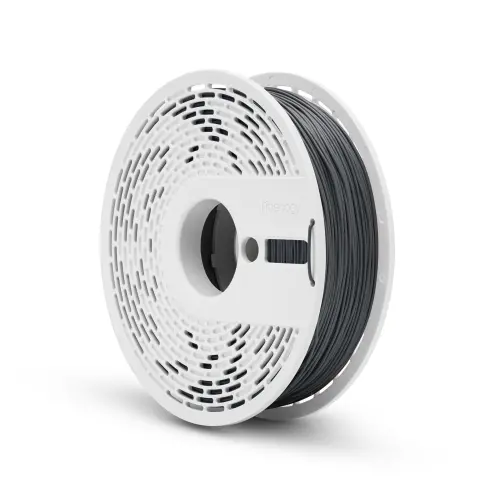
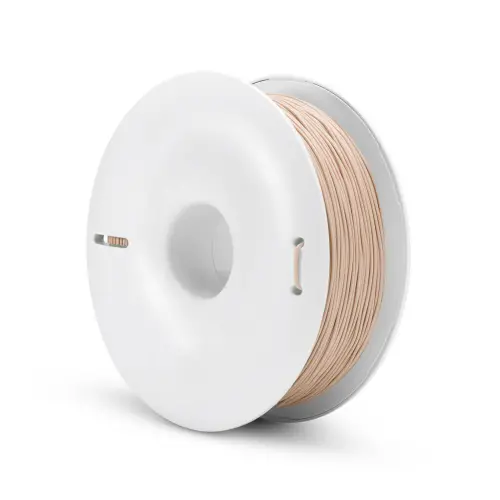
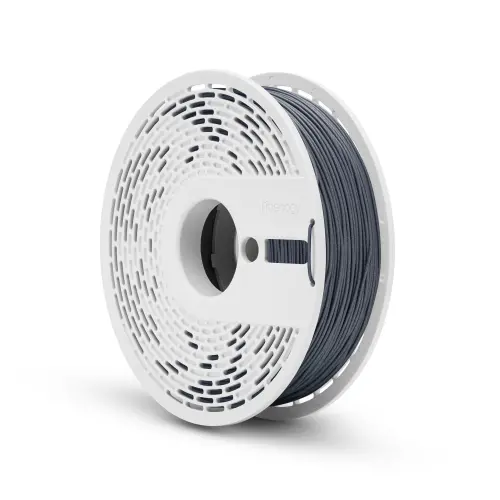
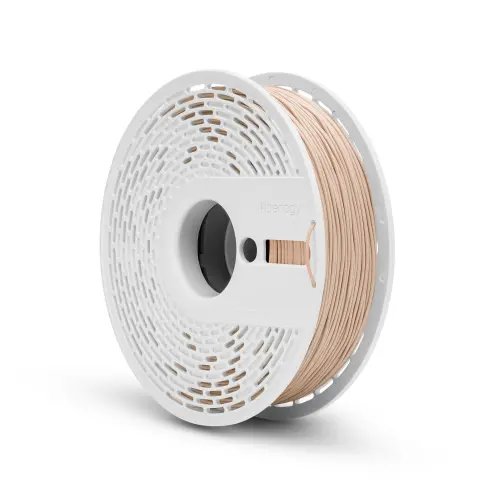
What is flexible filament?
Flexible filament is a thermoplastic elastomer, usually TPU (thermoplastic polyurethane). It combines the properties of rubber with those of plastic: a print bends and springs back into shape, yet is also wear-resistant, impact-resistant and resistant to oil, grease and low temperatures. That makes it suitable for parts that need to give, damp or provide grip.
30D or 40D: which hardness should you choose?
The hardness of flexible filament is expressed on the Shore scale. The lower the number, the softer the material.
| Type | Hardness | Suitable for |
|---|---|---|
| FiberFlex 30D | Soft, comparable to a shoe sole | Very elastic prints that need to bend a lot. Print it with a direct drive extruder and at low speed. |
| FiberFlex 40D | Firmer, comparable to skateboard wheels | Parts that need to give but keep their shape. Easier to print, also on a Bowden printer. |
| MattFlex 40D | Like FiberFlex 40D | The same properties with a matte finish on which layer lines are barely visible. |
| FiberFlex Aero | Adjustable | Light, foaming prints: temperature, speed and flow let you set the density and hardness yourself. |
Not sure? Start with FiberFlex 40D: it is the easiest to print and flexible enough for most uses.
FiberFlex Aero: foaming and light
FiberFlex Aero contains a foaming agent that is activated at a higher nozzle temperature (around 230–235 °C). By adjusting temperature, speed and flow, you print anything from compact and firm to very light and porous. Ideal for RC models, drones, soles and shock absorbers. Read more in our article on FiberFlex Aero.
Printing flexible filament: the right settings
- Nozzle: FiberFlex and MattFlex 200–220 °C, FiberFlex Aero 200–240 °C.
- Print bed: 50–70 °C, FiberFlex Aero 70–80 °C.
- Speed: low. FiberFlex 40D prints at up to around 45 mm/s with a direct drive extruder, 15–30 mm/s with a Bowden setup. Go a little lower for 30D.
- Extruder: a direct drive extruder works best, because soft filament can buckle or bunch up in a long Bowden tube.
- Retraction: short and slow, or off altogether. Too much retraction can jam the filament in the extruder.
- Print dry: TPU absorbs moisture. Damp filament causes bubbles, stringing and a rough surface.
The exact temperatures are listed with each product. Something going wrong? Our article on solving 3D printing problems covers the most common problems and how to fix them.
The pros and cons of flexible filament at a glance
Pros
- Bends and springs back into shape
- Very wear-resistant and impact-resistant
- Resistant to oil, grease and low temperatures
- Excellent bonding between layers
- Damps vibration and provides grip
Cons
- Slower to print than PLA or PETG
- Works best with a direct drive extruder
- Absorbs moisture, so store it dry
- Support material is harder to remove
Uses of flexible filament
- Seals and gaskets: rings, caps and dust covers.
- Grip and protection: handles, phone cases, bumpers and feet.
- Dampers: vibration dampers, bumpers and parts for drones and RC models.
- Wearables: watch straps, soles and cosplay parts.
- Engineering: belts, hoses and flexible couplings.