 Nederland
 België
 Deutschland
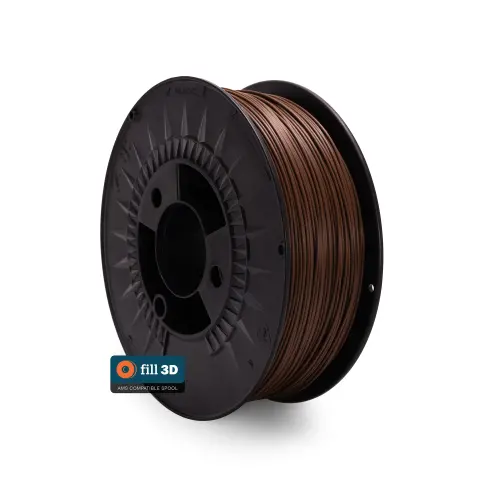
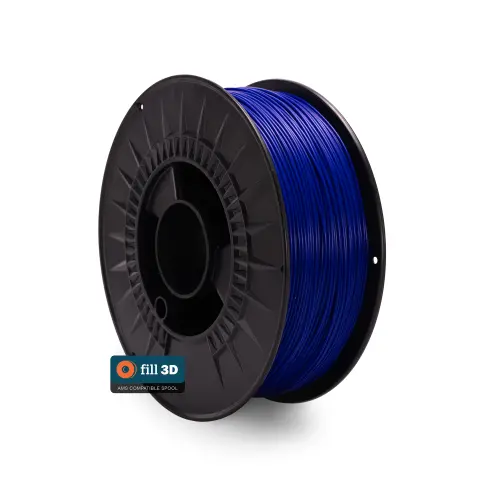
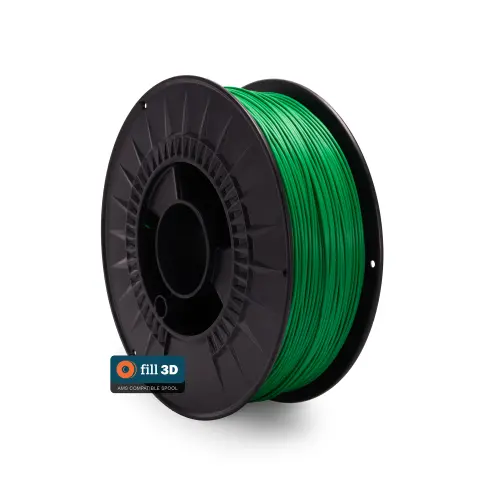
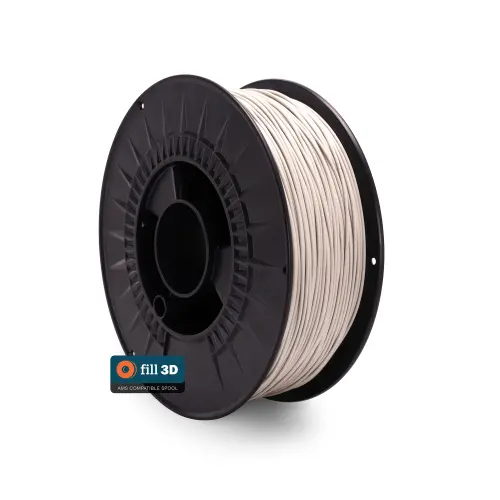
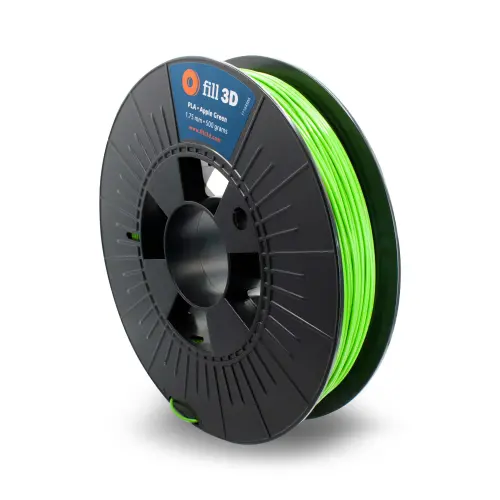
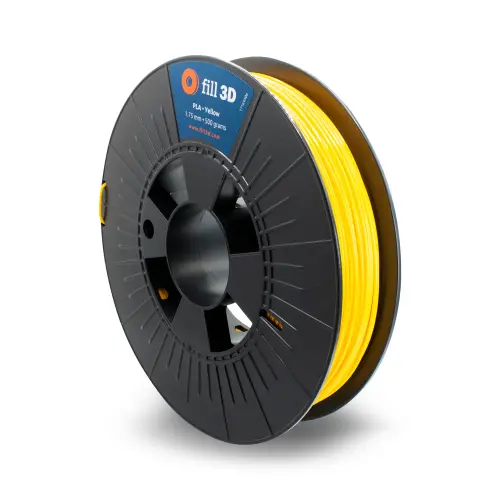
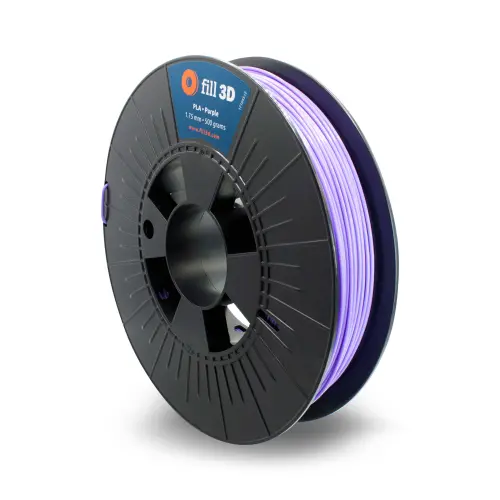
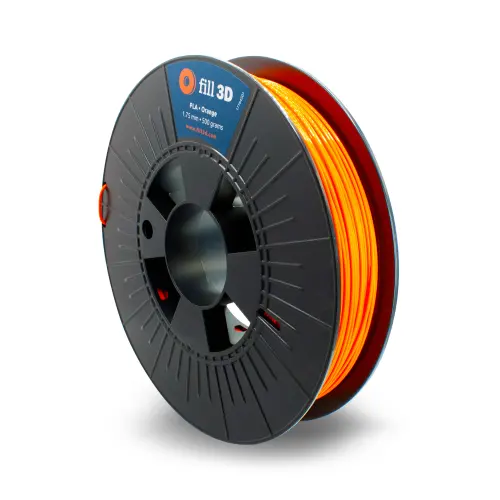
What is standard PLA?
Standard PLA is PLA without special additives: no matte finish, no extra impact resistance and no fibres. It prints at a low temperature, hardly shrinks and sticks well to the bed. That makes it the obvious choice for beginners and for any print where colour, detail and ease of printing come first. You can compare all PLA types side by side under PLA filament.
Fiberlogy Easy PLA or Fill 3D PLA?
| Fiberlogy Easy PLA | Fill 3D PLA | |
|---|---|---|
| Nozzle | 200–230 °C | 195–215 °C |
| Print bed | 50–70 °C | 0–60 °C |
| Diameter tolerance | ± 0.02 mm | 0.05 mm |
| Diameter | 1.75 mm, some colours also 2.85 mm | 1.75 mm |
| Spools | 0.85 kg, a few colours 1 kg; black, white, grey and graphite also 2.5 kg | 0.5 and 1 kg |
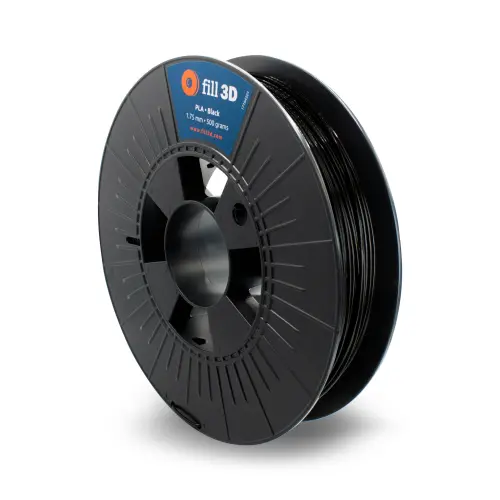
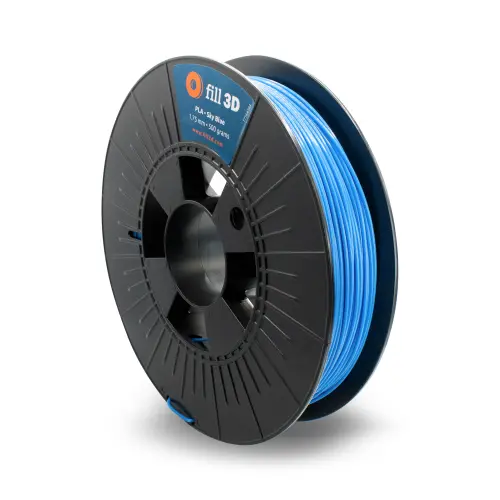
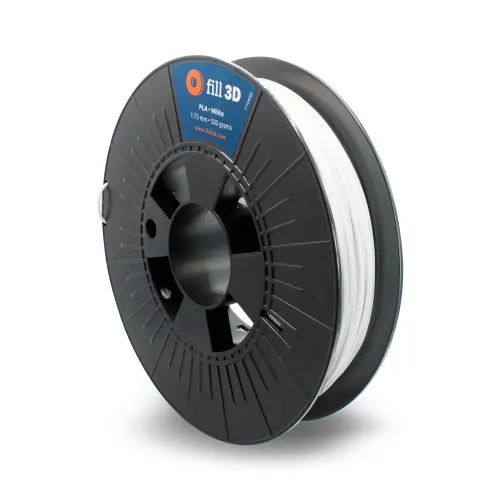
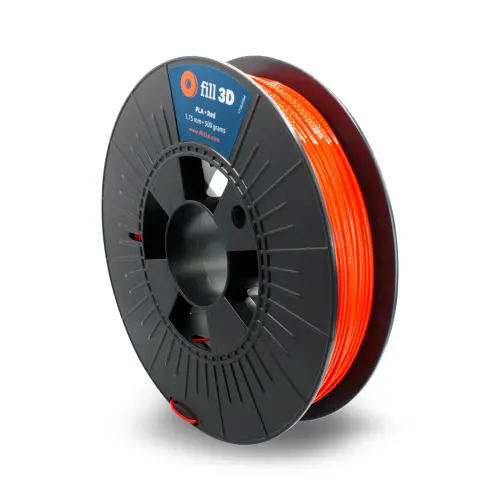
Fiberlogy is a premium brand with a very tight tolerance. Fill 3D is our own brand: a good-value all-round PLA, with colours matched to the RAL colour system.
Special colours and sets
- Lithophanes: Easy PLA Lithophane White lets light through evenly. With the Easy PLA CMYK set (4 × 0.5 kg) you can print lithophanes in colour.
- Figures: Easy PLA Skin in three skin tones.
- Effects: Easy PLA with glitter, such as Onyx and Vertigo, and Fill 3D PLA Glow in the Dark, which glows in the dark.
- Fluorescent, pastel and transparent: Fill 3D PLA in fluorescent and pastel colours, and Natural Transparent.
- Getting started: the PLA starter pack with three rolls of Easy PLA: black, white and a colour of your choice.
Printing standard PLA
- Nozzle: Easy PLA 200–230 °C, Fill 3D PLA 195–215 °C. For Easy PLA White, Fiberlogy recommends around 230 °C.
- Print bed: Easy PLA 50–70 °C. Fill 3D PLA can also be printed without a heated bed.
- Cooling: plenty, 100% for most prints.
Something going wrong? In solving 3D printing problems you will find the most common problems and how to fix them.
Pros and cons of standard PLA
Pros
- Easy to print, also for beginners
- The widest choice of colours
- Sharp details and a clean surface
- Good value, especially as a refill or on a large spool
Cons
- A slight sheen on which layer lines stay visible; for no sheen, print with PLA Matte
- Stiff and therefore less impact-resistant; for parts that need to take a knock, choose PLA Impact
- Softens from around 55–60 °C