Nederland
 België
 France
 Deutschland
TPE, TPU, FLEX — next level printing
There are many names for flexible filament. Often heard are TPE or TPU. The abbreviation TPU stands for Thermoplastic Polyurethane, and this in turn is a kind of TPE, which stands for Thermoplastic Elastomers. These names are often used interchangeably. On top of that, every brand / manufacturer has its own trendy name for their flexible filament. The fact is that you can print gorgeous elastic objects with flexible filament. It really is a next level application of your 3D printer.
Different hardness versions
Flexible filament cannot be understood as 1 product. Just as you have a difference in hardness with standard types of filament such as PLA or PETG, you have this with flexible filament too. This hardness can be indicated using the Shore scale. For rubbery materials, and therefore also for flexible filament, two of these scales are generally used most: an A scale for the softer and a D scale for harder filaments. Somewhere in between, the A scale and the D scale overlap, so the various manufacturers will make their own choice about how they label their filament.
Fiberlogy FiberFlex, the highest quality flexible filament
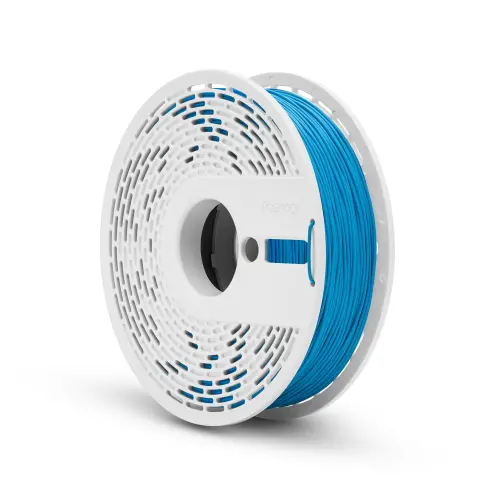
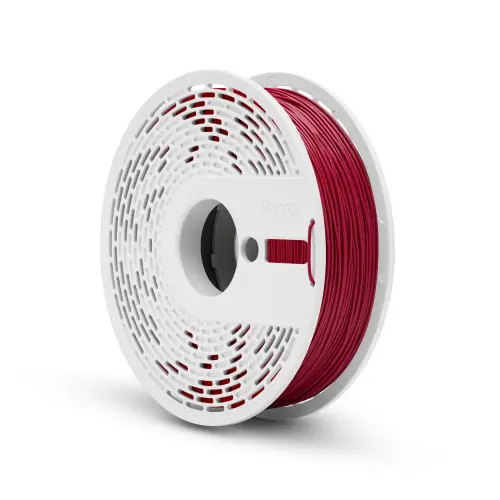
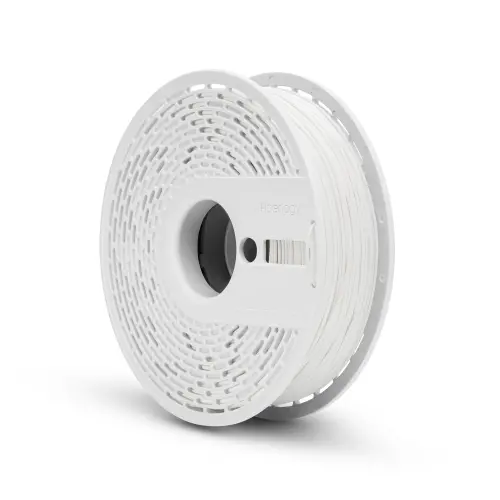
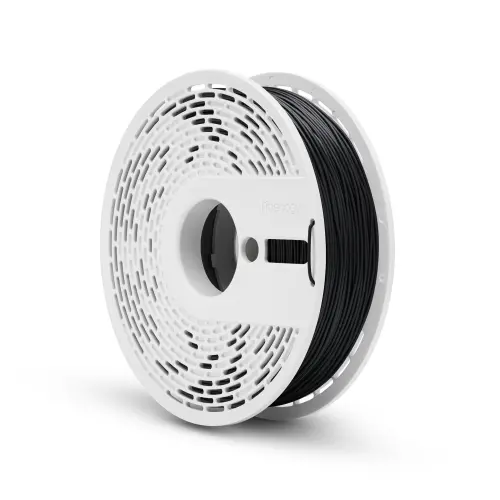
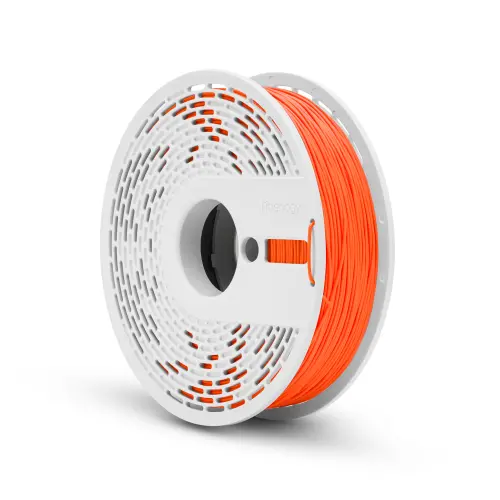
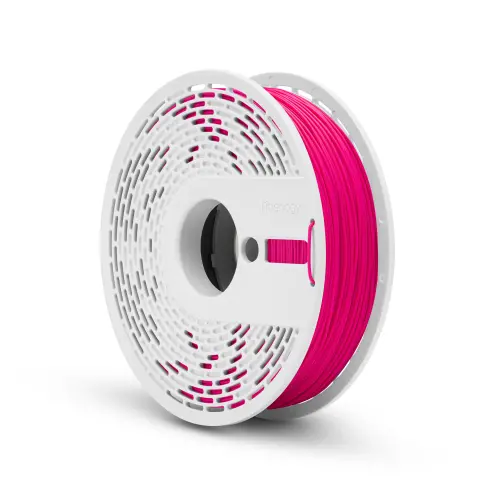
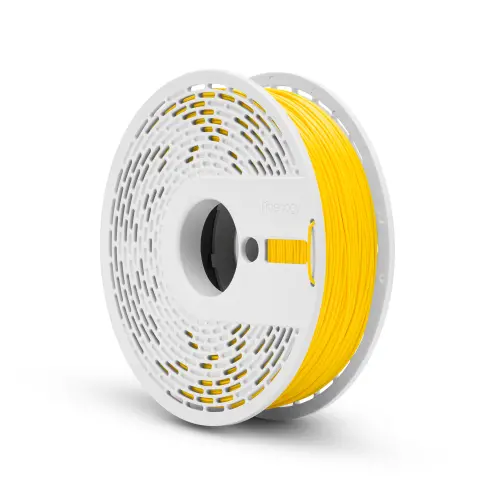
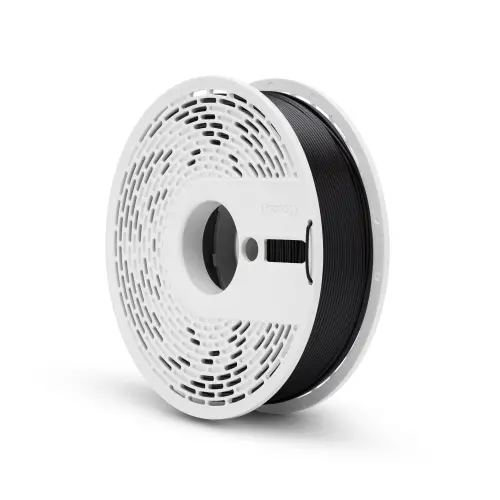
3D Fanshop has a very extensive range of flexible filament. Fiberlogy FiberFlex is available in 2 different hardness versions. The name of the product says it all. Fiberlogy FiberFlex 30D has a hardness of D30 on the Shore scale and Fiberlogy FiberFlex 40D has a hardness of D40 on the Shore scale. As you will understand, 30D is a good deal more flexible than the 40D. We have both versions in many colours and they are generally available from stock. Many times Fiberlogy’s FiberFlex has been tested as the best against other flexible filaments. The product distinguishes itself in ease of printing and end result.
Bowden setup and direct drive 3D printers
Flexible filament behaves differently from regular filament such as PLA, PETG or ABS. The latter filament types are rigid and let themselves be pushed into the extruder easily. Printing with the harder filaments is possible with both a bowden setup (with the extruder at a distance from the hotend and connected by a PTFE tube) and a direct drive setup. For flexible this is somewhat different. Printing flexible filament on a printer with a bowden setup is often only possible if you choose the harder version, the FiberFlex 40D. And even then the utmost care is required. FiberFlex 30D is really only recommended for use with a direct drive extruder — in other words an extruder that sits directly on the hotend. When printing with flexible filament you should not be in a hurry. The speeds have to be reduced considerably compared to what you are used to. Otherwise the filament will find a way to squeeze itself in everywhere, with all the resulting problems.
Tips and tricks for 3D printing flexible filament
It may all sound exciting and complicated, but it certainly is not. Yes, you really will have to wrestle a bit with the right settings and adjustment of the printer, but once you get the hang of it you will make the most fun flexible parts. To help you on your way I will list some tips and tricks that will help you.
- Print at low speed, around 25 mm per second. As you learn more, you can experiment with the speed to see when you get the best result.
- Set all speeds the same, so the movement, the printing of the walls (perimeters) and the infill alike.
- For Fiberlogy FiberFlex use a printing temperature of 200 to 220 °C.
- A heated bed is required. Set the bed temperature to 50 to 70 °C
- Do not use retraction; only once you have a good setup can you experiment with this to improve things.
- Flexible filament is sensitive to absorbing moisture. So store it airtight and in a dry environment. Fiberlogy FiberFlex is supplied in a resealable bag.
- For better adhesion to the print bed you can use 3DLAC adhesive spray
- Take care with PEI sheets (such as those supplied with Prusa printers). Flexible filament will adhere to these so strongly that the sheet can get damaged. You can use a glue stick, for instance, to create a layer between the print surface and the print. (a bit of a topsy-turvy world ;)
- Furthermore it is important to keep a close eye on your printer: the flow must be constant and the filament must keep being fed properly. Prevent the filament from jamming. Attention is required, so be there in time.
Printing flexible filament is fun
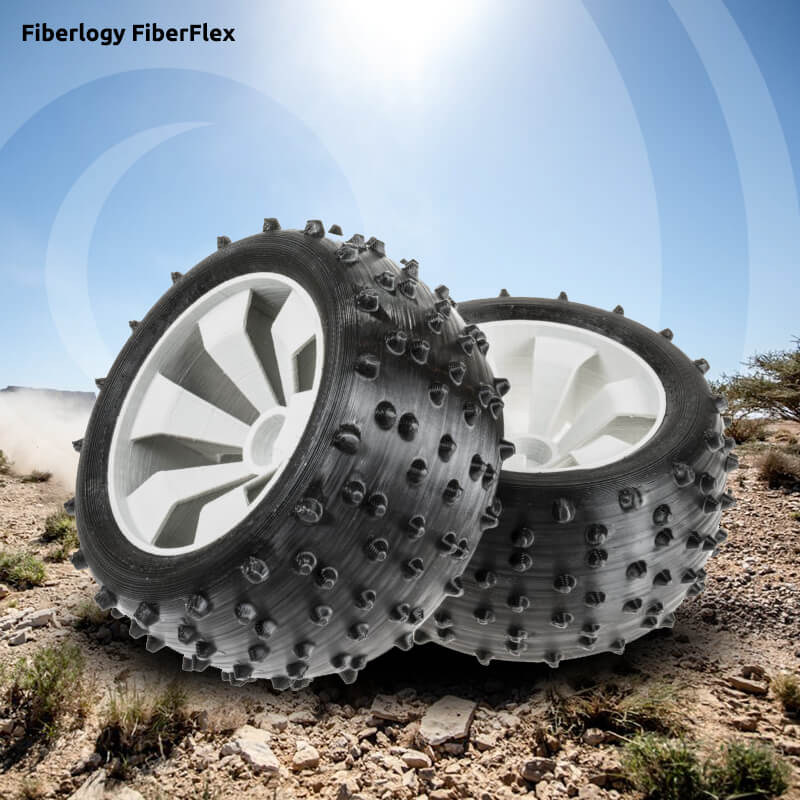
This article may come across as a little overwhelming, but it really is all very doable. You can genuinely make the coolest things with flexible filament. Functional as well as decorative. Think of a door stop, a bracelet or a phone case. Your imagination decides! Fiberlogy FiberFlex has excellent characteristics and withstands heavy loads well. The layers adhere excellently and the quality is unrivalled.
Click here for our complete range of Fiberlogy FiberFlex flexible filament and get started. You will see how much satisfaction it gives to print your own rubbery objects.