 Nederland
 België
 Deutschland
What is PLA Mineral?
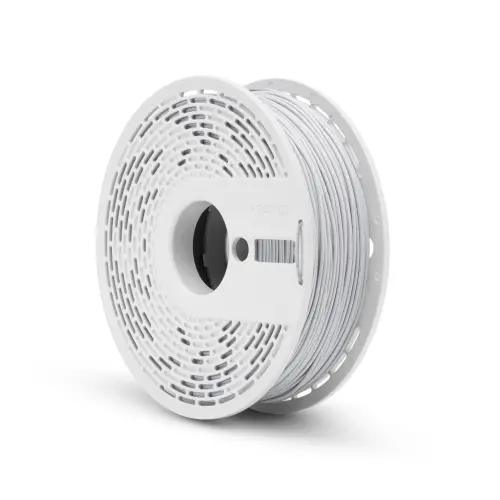
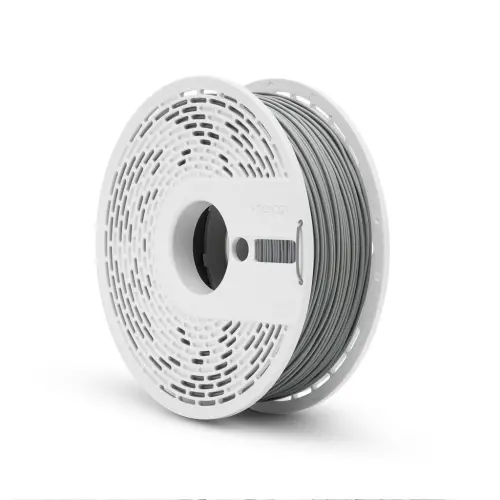
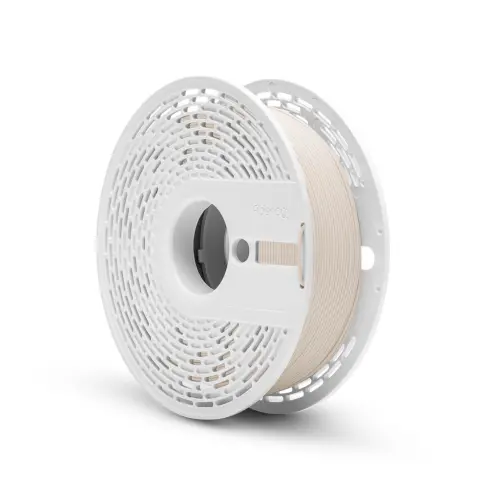
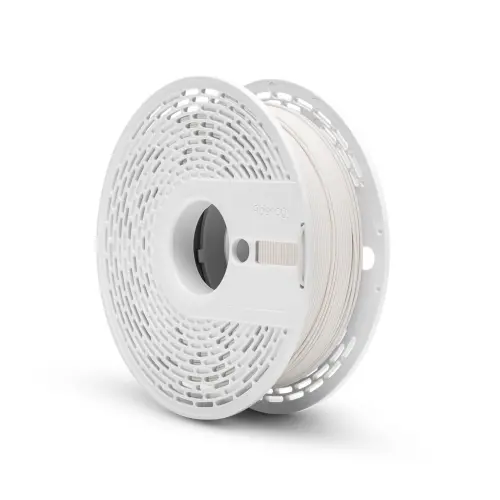
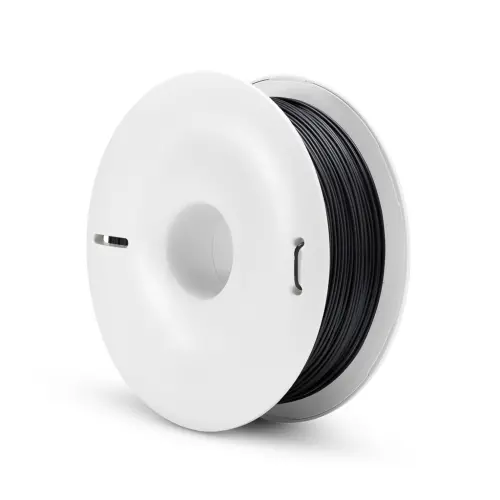
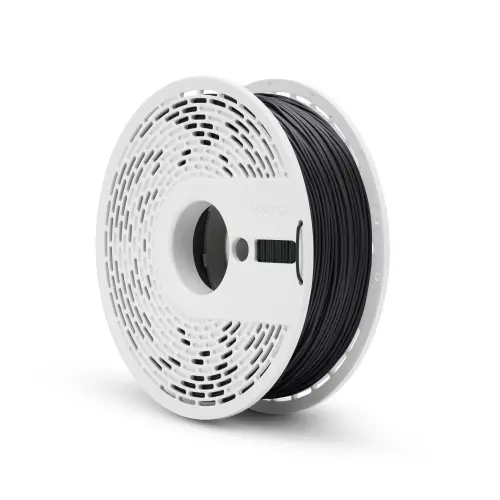
PLA Mineral by Fiberlogy is PLA with a mineral filler. This gives prints a matte, plaster-like look reminiscent of stone, marble or concrete, and layer lines show less. You can sand and paint a printed object, just like a plaster model. Marble has small coloured grains for a marble look, Concrete the grey colour of concrete.
What is rPLA?
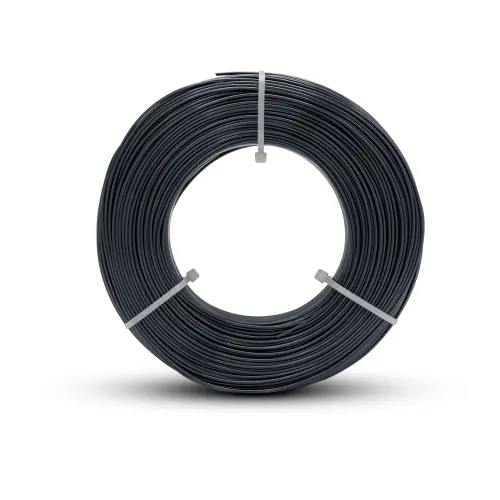
According to Fiberlogy, rPLA Anthracite is made from 100% recycled PLA from verified sources. It prints like Easy PLA, with little shrinkage and good bonding between layers. Because the raw material differs per production batch, the colour intensity may vary slightly and it may contain traces of glitter. rPLA is also available as a refill without a spool.
Which special PLA should you choose?
| Filament | Suitable for |
|---|---|
| PLA Mineral Marble | Sculptures, columns, chess pieces and decoration with a marble look. |
| PLA Mineral Concrete | Scale models, bridges and model building with a concrete look. |
| PLA Mineral Natural, White and Black | Sculptures, reliefs and interior objects with a plain stone look. |
| rPLA Anthracite | Everyday printing in dark grey, made from recycled material. |
Looking for a brick, sandstone or granite look? You will find Easy PLA Brick, Sandstone and Granite under Standard PLA. In this article you can read more about these stone-look filaments. You will find all types in our PLA filament.
Print settings
- Nozzle: PLA Mineral 190–210 °C, rPLA Anthracite 210–230 °C, rPLA Refill 200–230 °C.
- Print bed: 50–70 °C.
- Cooling: as with PLA, usually 100%.
- Enclosure: not needed.
- Spool: 0.85 kg of 1.75 mm filament, with a diameter tolerance of ± 0.02 mm.
Something going wrong? Our article on solving 3D printing problems covers the most common problems and how to fix them.
Pros and cons
Pros
- PLA Mineral: a matte, stone-like look on which layer lines show less
- Easy to sand and paint
- rPLA: made from recycled material, also as a refill without a spool
Cons
- Less suitable for parts that are put under load
- With rPLA the shade may differ slightly per batch
- Like other PLA, not suitable for hot places
Uses
- Art and decoration: sculptures, busts, reliefs and vases with a stone look.
- Model building: architectural models, scale models, bridges and terrain.
- Everyday printing: holders, gadgets and prototypes in rPLA.